For almost two decades, SEO followed a relatively simple logic:
Rank higher. Get clicks. Generate traffic.
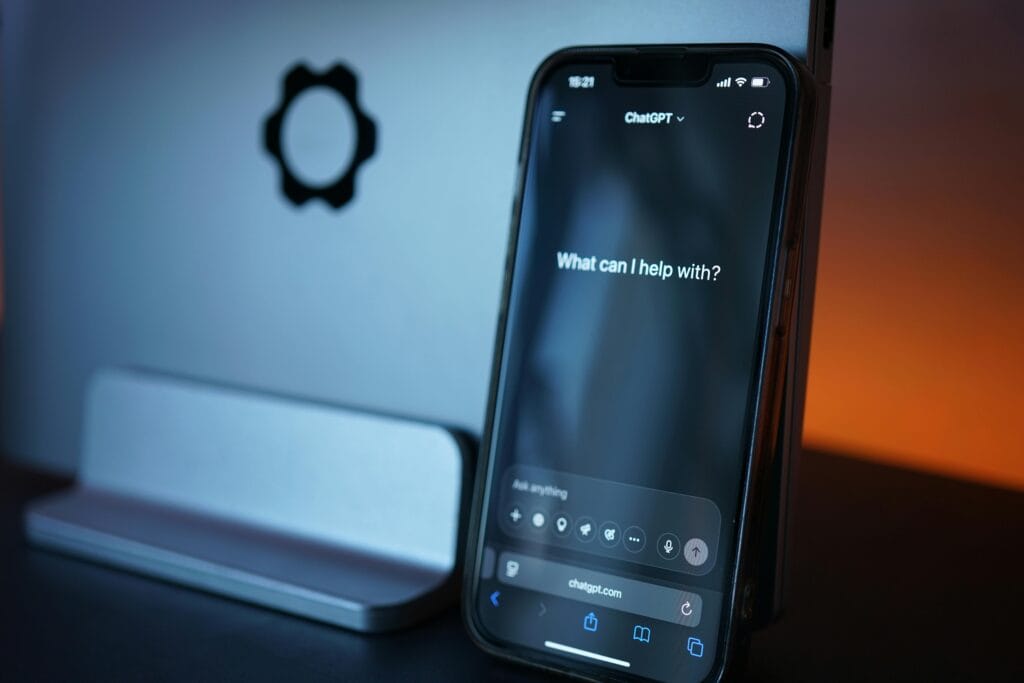
That model is now changing faster than most companies realize. In 2026, users increasingly interact with AI-generated answers before they ever reach a website. They ask ChatGPT for recommendations. They read Google AI Overviews instead of scrolling through ten blue links. They compare suppliers through Perplexity summaries. They rely on conversational interfaces to filter information for them.
Search is becoming an answer layer. And that changes what visibility means. Today, a company can influence a buying decision without generating a single click. That’s why the conversation around SEO has expanded into something new: AEO, Answer Engine Optimization.
While this may seem like an extension of buzzwords, the key point is: this is not the death of SEO – it’s the evolution of visibility. The brands that will win in the next few years are not the ones chasing algorithms. They are the ones becoming trusted sources inside AI-generated conversations
From Search Engines to Answer Engines
Traditional search worked like a directory. Users searched. Google displayed pages. Users clicked.
AI-powered search behaves differently. Today, platforms increasingly blend information instead of simply listing it. The user experience now looks more like this:
Question → AI selects sources to inform the response AI-generated answer → user given source references
This shift is already visible across platforms such as Google AI Overviews, ChatGPT browsing experiences, Perplexity AI, Microsoft Copilot and voice assistants. In many cases, users receive enough information directly in the interface that they don’t need to visit any websites. That phenomenon is often referred to as “zero-click search.”
But zero-click does not mean zero influence. It simply means visibility happens earlier.

What Is AEO, really?
Answer Engine Optimization (AEO) is the practice of optimizing content so AI systems can:
- understand it
- extract it
- trust it
- summarize it
- cite it
- recommend it
Traditional SEO focused on ranking pages. AEO focuses on becoming part of the answer itself. That distinction matters. Because AI systems do not evaluate content exactly like search engines did.
They prioritize:
- clarity
- semantic relevance
- structure
- topical authority
- consistency across sources
- trustworthiness
In other words:
The internet is shifting from a “ranking economy” to a “reference economy.” In many ways, this mirrors what happened with LinkedIn’s Brew 360 update. Content visibility is becoming less dependent on isolated keywords and more dependent on semantic relevance, topical consistency, and perceived authority within a subject area.
Why visibility and search behaviour are changing in B2B
For years, traffic was the default way to measure SEO success. More clicks meant more visibility. In 2026, that relationship is becoming far less direct, especially in B2B.
Decision-makers increasingly use AI systems during supplier research, market comparisons, strategic planning, and technical evaluations. Instead of searching isolated keywords, they ask conversational questions and rely on AI-generated summaries to filter information before exploring further.
That means a company may influence a buying decision long before a website visit ever happens.
A user might discover your framework inside an AI summary, reference your explanation internally, or shortlist your solution based on how your expertise was surfaced across search and answer engines, even without appearing in traditional analytics.
This is why traffic alone is no longer the core metric to measure visibility.
A successful outcome has transitioned from:
“Did they click?”
To:
“Did we shape the conversation before the click happened?”
Because in modern search, influence increasingly starts earlier in the decision journey and often outside the website itself.
The new reality: SEO and AEO are not opposites
One of the biggest misconceptions right now is that AEO replaces SEO. It doesn’t. Strong AEO still depends on strong SEO foundations.
Without:
- crawlable content
- technical health
- topical authority
- internal linking
- site structure
- credible brand signals
AI systems have nothing reliable to reference. SEO remains the infrastructure. AEO becomes the visibility layer built on top of it. The companies performing best today are the ones who are combining both.
At Project Neon, we believe core content principles still apply. But they have now taken on extended meanings in this context:
1. Visibility: Your content is discoverable in traditional search (ranking).
2. Credibility: Your ideas surface inside AI summaries, snippets, and assistant responses.
3.Authority: Your explanation becomes the version people remember and repeat.
Traditional SEO focused heavily on the first layer. The best strategy for companies today, is to try and own all three.
Why original thinking matters more than ever now
One of the most important shifts in 2026 is this: generic content is becoming invisible. AI systems are already saturated with recycled articles saying the same thing. If everyone publishes identical “Top 10 SEO Tips” content, AI has no reason to prioritize one source over another.
Original thinking is becoming the real differentiator. As AI-generated content floods the internet with repetitive information, visibility increasingly shifts toward sources offering genuine perspective, through unique frameworks, expert insights, first-hand experience, and real-world case studies.
In practice, this means companies need fewer low-value articles and more high-quality knowledge assets.

How SEO strategy needs to change in 2026
The biggest shift happening in SEO is not only technical, it’s behavioural. Users are no longer searching only through keywords. They are asking more complex, conversational questions and increasingly relying on AI systems to filter, summarize, and interpret information for them. That means modern optimization is becoming less about matching exact search terms and more about understanding intent, context, and decision stages.
The best-performing content today is the content that genuinely helps users understand something, not just find something.
At the same time, AI-powered search systems are changing how content gets evaluated. Structure, clarity, and topical depth matter more than ever. Content that is easy to interpret, summarize, and reference is significantly more likely to surface across AI-generated responses.
This is also why isolated blog posts are becoming less effective. Search engines and answer engines increasingly reward brands that demonstrate consistent expertise across an entire topic ecosystem. Authority is now cumulative: depth, consistency, and connected knowledge matter more than publishing volume alone.
And perhaps most importantly, the rise of AI generated content is making generic content increasingly invisible and low in value. Today, a unique perspective and memorable thinking becomes one of the strongest visibility advantages a brand can have.
What you can stop worrying about
One thing worth clarifying: not everything being discussed online about AEO is actually necessary.
In a guide published on 15 May 2026, Google Search Central was explicit on this. You don’t need to create llms.txt files or special AI markup. You don’t need to “chunk” your content into fragments for AI to process it better. And you don’t need to rewrite your content specifically for AI systems, they’re built to understand context and meaning, not just exact keywords.
The fundamentals haven’t changed. What has changed is the bar for quality. You can read Google’s full guidance here.

Visibility is becoming harder to measure and to understand
One of the biggest challenges with AI-driven search is that visibility increasingly happens outside traditional analytics.
A company may influence a buying decision long before a user ever visits the website. As AI systems become more involved in research and comparison processes, the customer journey becomes less linear and far less measurable through traffic alone.
That is why traditional SEO reporting is no longer enough on its own.
Modern visibility strategies need to look beyond clicks and begin considering broader signals of influence: branded search growth, topic ownership, presence across AI-generated answers, assisted conversions, and overall authority within a category. Because the real impact of AEO goes beyond technology, it reflects a broader shift in how people discover and evaluate information.
That’s why people are increasingly outsourcing research, filtering, and interpretation to AI systems. Search engines used to help users find information. Answer engines increasingly help users understand it. As a result, brands are no longer competing only for attention. They are competing for trust. And trust is built through clarity, consistency, expertise, and original thinking.
Final thoughts: SEO is not disappearing. But its role is evolving.
Ultimately in 2026, visibility is no longer just about ranking first on Google. It is about becoming part of the answers shaping decisions across AI-driven platforms. The companies that adapt fastest will not necessarily be the ones producing the most content, but the ones creating the most useful, structured, trustworthy, and referenceable knowledge.
Because in the era of AI-generated search, the goal is no longer simply to be found. It is to become the source others rely on to understand the topic in the first place.