Connect
Connect
Connect
Connect

From ChatGPT Curious to Building Her Own AI Universe

At our latest Morning Focus session, Susanne Todnem — founder, marketing strategist, and advisor to companies ranging from listed corporates to small businesses — gave her practical and witty take on AI in marketing. No hype and no prior coding knowledge required!


Susanne started using AI the way most of us did, with a nudge to try ChatGPT and a vague curiosity that something big was happening.

Jump forward a few years and she now runs her business with a Claude Cowork employee who never takes time off, and Petter Stordalen has talked her out of shutting down her company (she doesn’t know him at all – read on!).
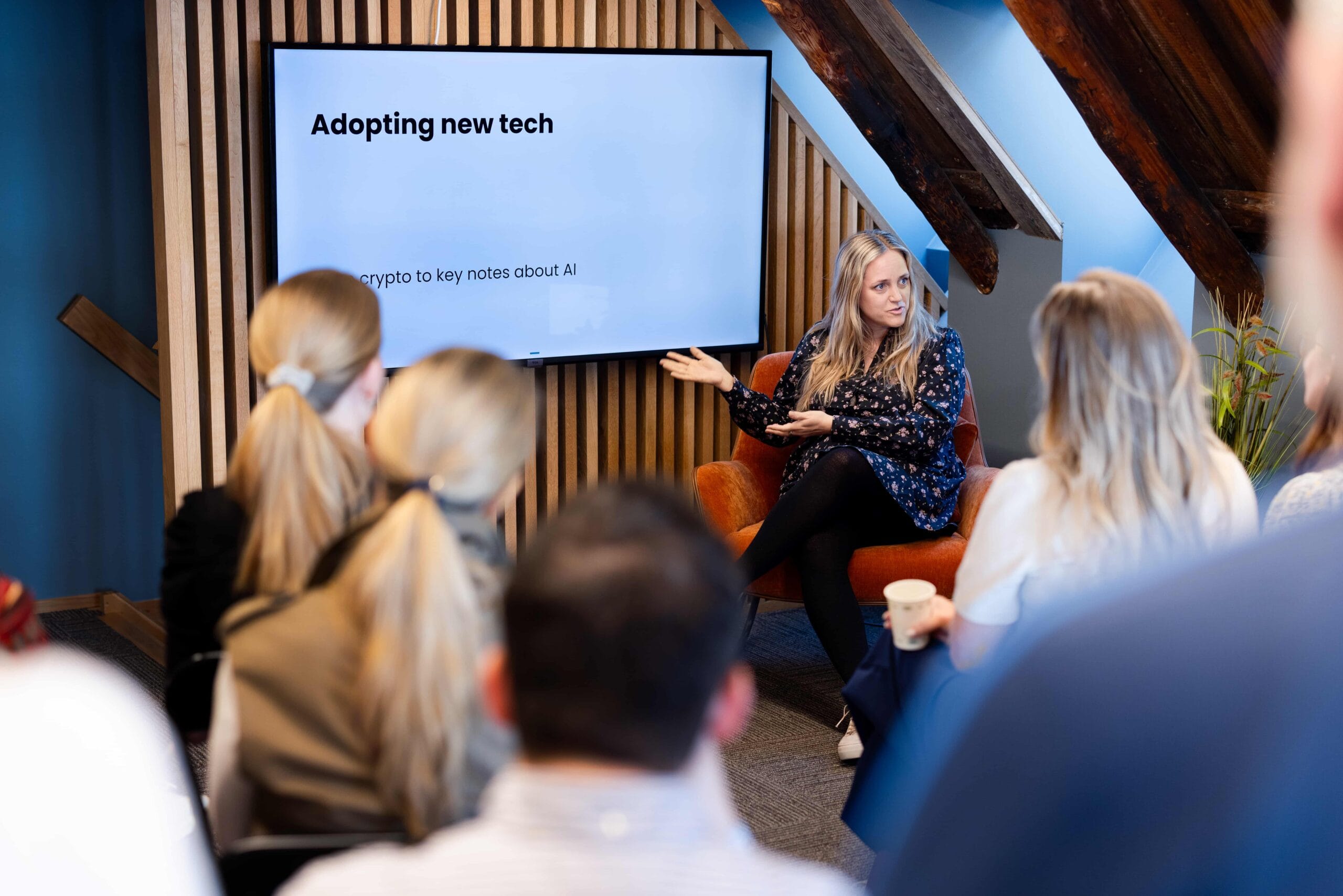
Susanne Todnem at Morning Focus


Context beats prompting

Not long ago, the conversation around AI was all about prompt engineering. Susanne says that’s changed.

“Context is more important than prompting. Build your structure and framework. If you build a strong context with the right documents, a clear brief, a well-organised project, you can take that structure with you to any tool, regardless of how the AI landscape shifts. Your framework becomes the asset, not your knowledge of any single platform.”


Treating AI as part of the team

Susanne was honest about the business impact AI has had on her own company. Two years ago, she had three full-time employees. Today she has the same revenue and one Claude Cowork employee, running autonomously in the background while she makes herself a cup of tea.

Recently, she spent 40 days writing down every single task she did in her business – using a good old-fashioned pen and paper. She fed this insight into Claude and asked: what can be automated? What can be outsourced? What can be stopped entirely?

She now integrates AI into her client work. At the start of every month, Claude Cowork produces a full monthly content schedule across five social media platforms and a website – something that would have previously taken her days to produce manually.


It starts with strategy

Susanne made a point that’s easy to overlook: the heavy lifting in AI isn’t the tool, it’s the strategy behind it.

You need to know what problem you’re solving, why it matters, and how you’ll measure success. And while most Norwegian companies are now using AI, most are still in exploration mode. The next step is execution – outsourcing real tasks, not just experimenting.


Build your own Board

One of the more creative use cases Susanne shared is building a personal advisory board of 15 people inside her AI tools. The board includes Oprah Winfrey, Petter Stordalen, a Norwegian financial expert, and others she admires. When she’s facing a difficult business decision (including one moment where she genuinely considered shutting down her company) she asks the board for their perspectives.
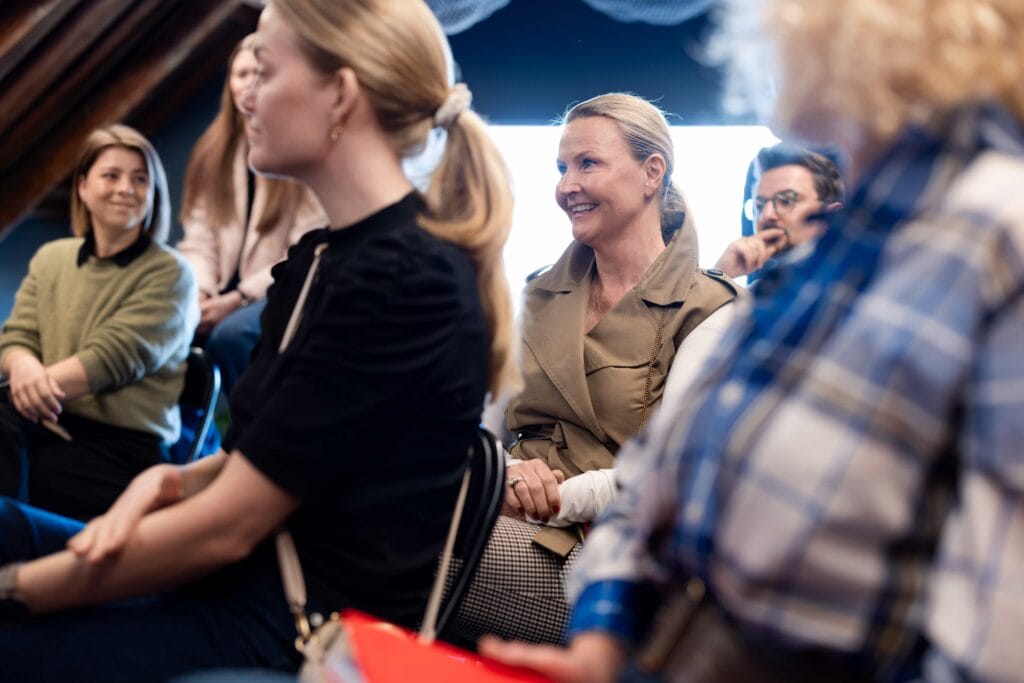
Morning Focus


AI amplifies expertise

Susanne pushed back on the idea that AI levels the playing field entirely. In her view, domain expertise is what separates good AI output from generic fluff.

The best designs from Claude Design will come from designers, because they know how to direct it. The best video content will come from people who understand video. And for Susanne, whose sharpest skill is writing, Claude Cowork produces better copy because she knows what valuable input and a good output looks like.

That said, she’s clear about where she draws a line: AI hasn’t written a single word of the book she’s working on. Claude knows her tone, her humour, her background, but she wants it to be hers.


Tools for marketers

A few specific recommendations Susanne flagged for marketers:

  • Claude + Canva or Claude Design — great combos for content creation
  • Wispr Flow — a voice-to-text app that dramatically speeds up workflow
  • NotebookLM — turns PDFs into podcast episodes or infographics for learning and content repurposing
  • Otter — a transcription tool that captures meetings and conversations, great for turning spoken content into written assets

Giving back

Susanne posed a challenge that went beyond tools and tactics.

AI will save you time and money — the real question is what you do with it. More time for walks, books, and creativity is a good start. But she also floated something more ambitious: if your company saves 20% by replacing external software with something built internally, could 5% of that go to charity, or directly to your employees?

Technology is moving fast. But the decisions about what we do with the time it gives us back are still entirely human.


Follow Project Neon for upcoming Morning Focus events and more refreshing conversations like this one.
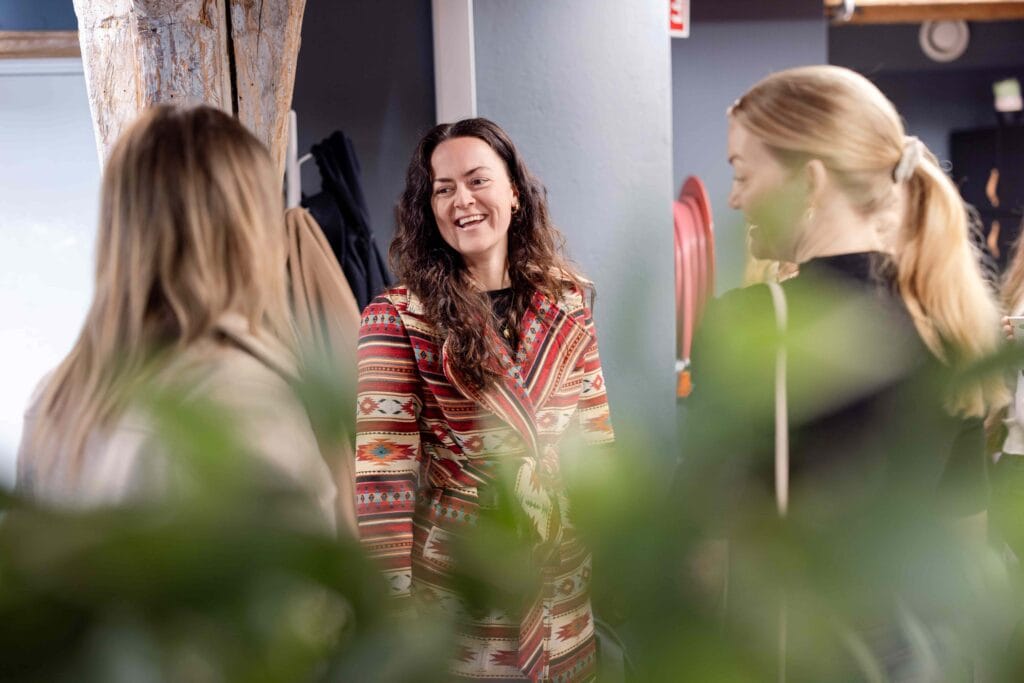
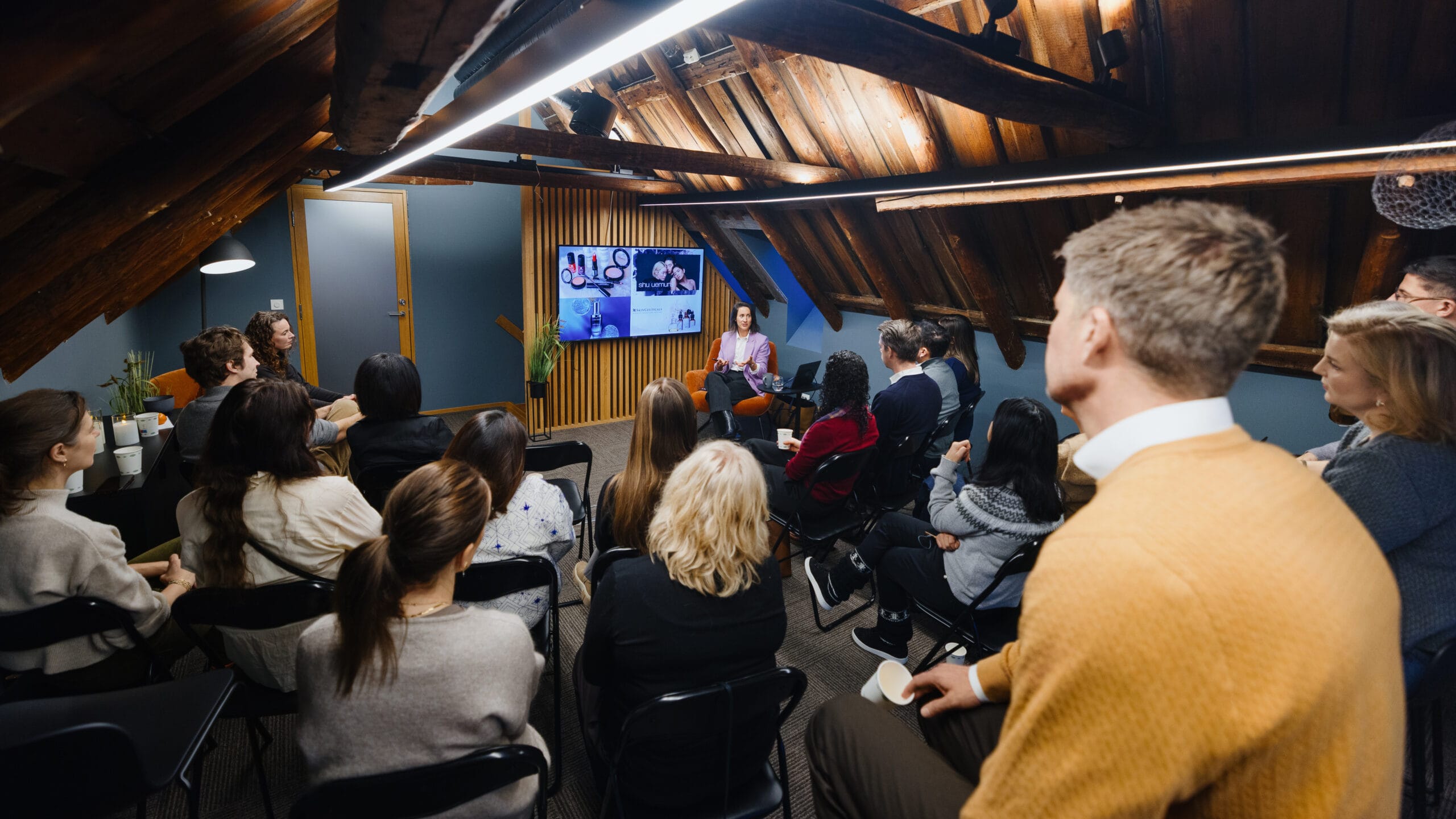
Morning Focus

When Marketing takes a seat at the table

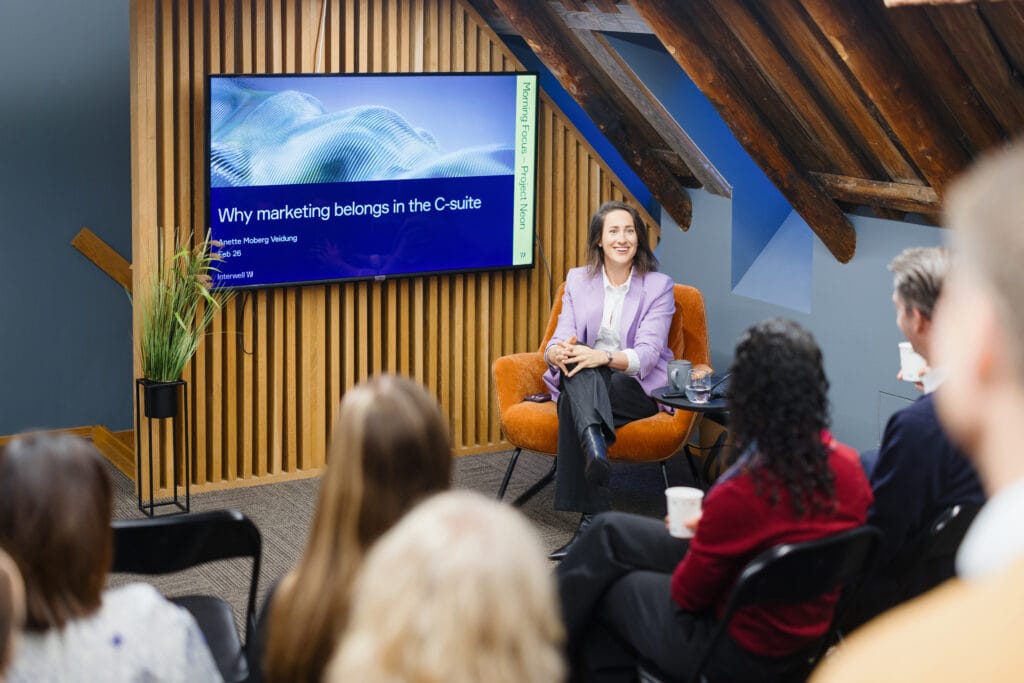
Morning Focus with Anette Veidung, CMO at Interwell

“It’s only when marketing is strategic and not just tactical, it becomes a source and an amplifier of sales and growth. That’s why it belongs in the C-suite.” 
 
This was the topic Anette Veidung, CMO at Interwell, had everyone chewing over at our first Morning Focus event of 2026. 

Speaking candidly about her impressive, international career spanning beauty, biotech, green tech and oil and gas, Anette shared how marketing only creates real value when it’s treated as an essential commercial function – not a support act. And whilst industries, distribution channels and customers have changed over the years, the red thread guiding her work has always been deeply rooted in strategy. 

“Strategic marketing decides who gets remembered, trusted and earns the dollars.”

Anette Veidung at Project Neon Morning Focus

B2B marketing strategy 

At its core, marketing strategy answers the big questions: How do we differentiate? How do we position ourselves in the customer’s mind? How do we build brand equity? And how do we create alignment? 

“Without alignment, you end up with scattered arrows — some might hit the target, but most will fall to the ground.” 

One of Anette’s most compelling examples to illustrate this came from a major rebrand in the oil and gas sector – a move shaped around three key principles: be relevant, be attractive and stop hiding. This wasn’t just about modernising visuals, but about uniting multiple business units, clarifying positioning and future-proofing the company for a changing energy landscape. The result? Stronger perceived quality, clearer differentiation and a brand that employees and customers could recognise and rally behind. 
 

Morning Focus February 2026

Set up for success 

But influence doesn’t come from branding alone. Anette explained how marketers build credibility internally by understanding sales, being commercially fluent and tying marketing activity directly to business outcomes. 

“If you don’t understand how the money is made – or lost – you can’t expect marketing to influence strategy.” 

The conversation resonated because it was honest. About ambition. About burnout. About the tension between purpose and profession. And about the reality that stepping into strategic influence often means educating on marketing at leadership level, pushing for clear value propositions and challenging the status quo. 

As the discussion drew to a close, one thing was clear: marketing doesn’t become strategic by title alone. It earns that position through speaking up, asking for influence and claiming strategic space deliberately, rather than waiting to be invited to the table. And judging by the conversations that ensued, hopefully more marketers now feel encouraged to pull up a chair. 

 
Learn more about our events here and follow us on LinkedIn for updates on the next one

Morning Focus event

Networks that open doors 

Morning Focus with Mari Danielsen Lunde

Who helps you find your way when you step into a new industry or move to a new location? On Tuesday 18th November we opened our office doors, ensured everyone had a a coffee in hand and explored how professional communities can make the “hard to crack” maritime industry feel more open, steerable (pun intended) and human.  

Mari Danielsen Lunde, Shipping Operation Manager at Equinor and Board Member of The International Propeller Club of Norway talked about her own experience in this.  

Mari brings a career that stretches across energy and shipping, with international projects in Canada and South Korea. Today, she leads Equinor’s Shipping Operations department for oil and product tankers. Outside of work, she is an opera singer (we know, very cool!) and music enthusiast.  

This blend of operational responsibility and creativity shaped the tone of the session. Inviting others in the room to join the conversation, the morning became collective exploration of how to best connect and help each other professionally.  

What do you think? Are opportunities shaped by proactiveness alone, or do we also need a bit of luck to meet the right people at the right time?  

Mari Danielsen Lunde, Shipping Operation Manager and IPC Norway Board Member

Community as a career catalyst 

Mari described shipping as an industry that can feel insular and closed in from the outside. Much of what really matters lives in trust, long-term relationships and informal networks built over time. For people arriving from other sectors or countries, entry into the Norwegian maritime industry can feel more like decoding a culture than applying for a job. 

Professional networks, she argued, are one of the most effective ways to bridge that gap. Rather than being purely about “contacts”, they create visible, low-threshold arenas where people can meet on equal terms.  

A morning gathering, an evening event or a club meeting can be a first step into conversations that would never happen in a formal interview setting. Over time, these encounters translate into insight into who does what, where decisions are made, and which challenges the industry are grappling with. 

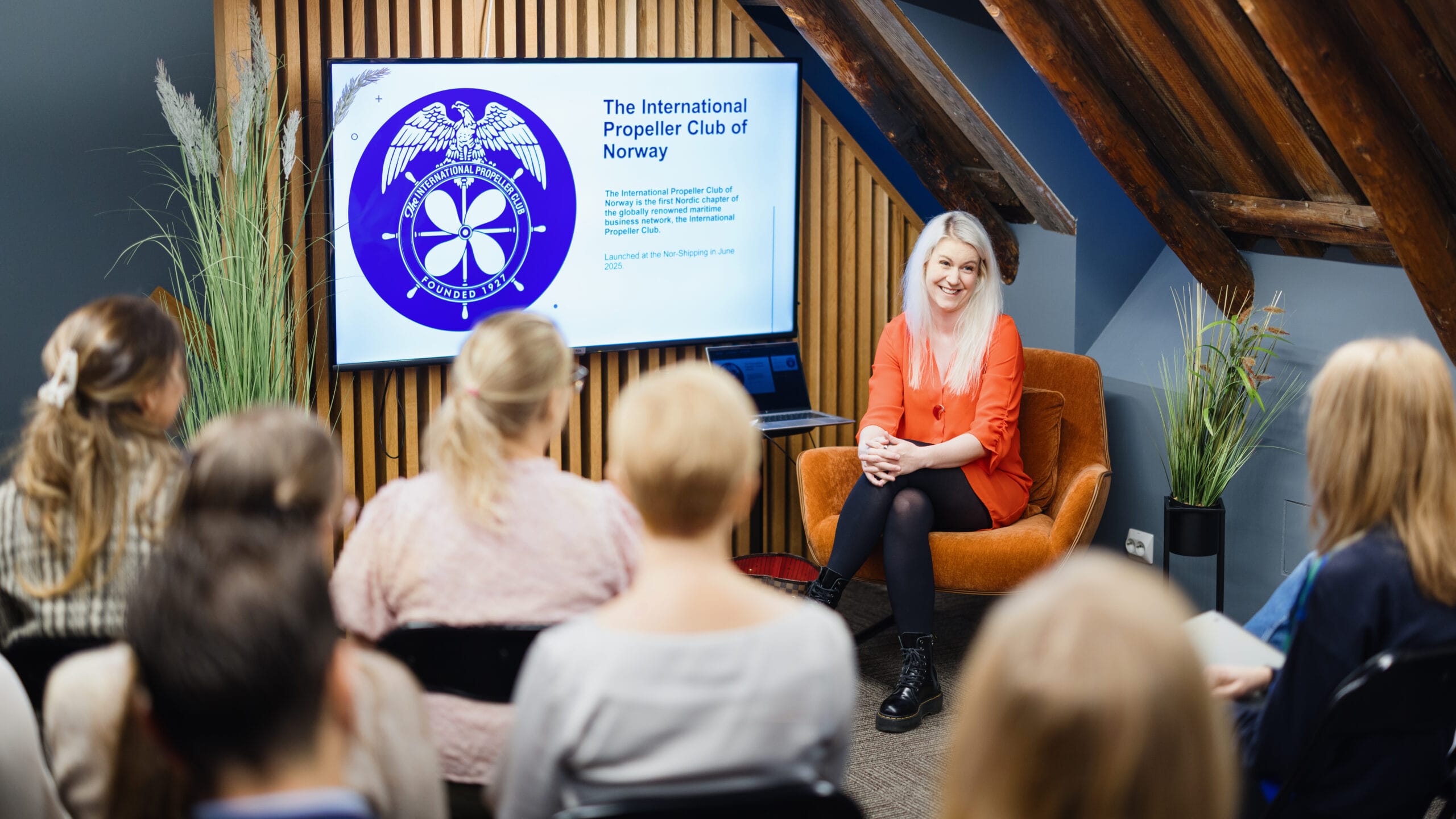
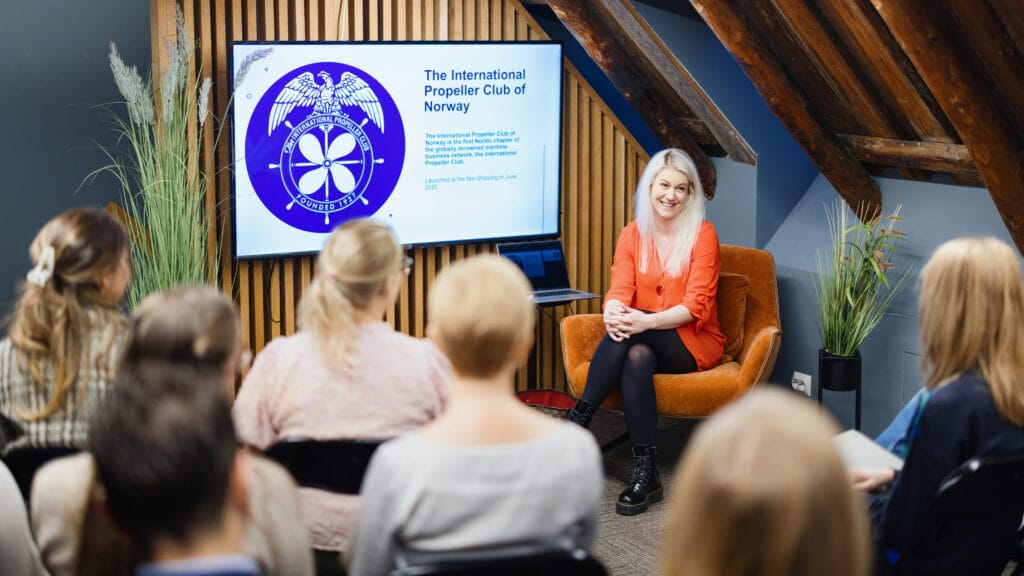
Sinem Ogis, Chair of IPC Norway

The power of networks

Mari described shipping as an industry that can feel insular and closed in from the outside. Much of what really matters lives in trust, long-term relationships and informal networks built over time. For people arriving from other sectors or countries, entry into the Norwegian maritime industry can feel more like decoding a culture than applying for a job. 

This is one of the reasons Mari chose to get involved in The International Propeller Club of Norway. The vision of IPC Norway is to build a network across the maritime sector, not just traditional shipping. That means bringing together people from ship operations, ports, energy, services, finance, law and technology, and giving them a shared arena to share experiences and perspectives.  

In the end, what Mari highlighted is something many of us recognise but rarely articulate: careers don’t grow in isolation. They grow through people – the ones who answer questions, open doors, and make a new landscape feel navigable.  

In a sector where trust and access shape opportunity, networks help level the playing field, especially for those stepping into something new.  

That’s exactly why we’re going to keep creating spaces like Neon Nights and Morning Focus. Places where conversations spark, ideas move, and connections turn into opportunities. 

If you haven’t joined us yet, consider this your invitation! 

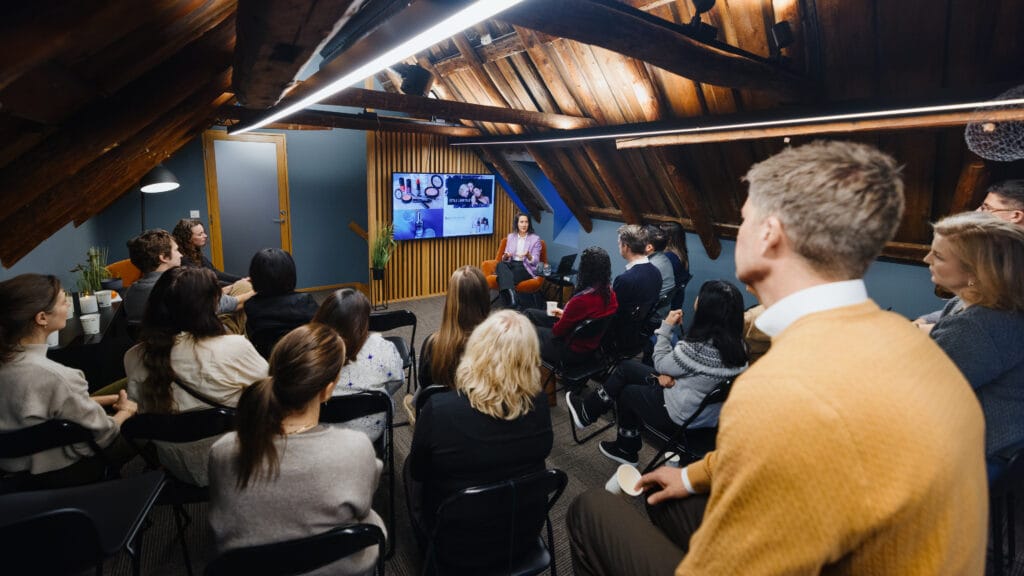
People at the Morning Focus event