Connect
Connect
Connect
Connect

Getting your company PR-ready for 2026 

As 2026 gets underway, many communications teams are opening their planning tools and thinking, “we should really look at that… soon.”

Resetting your PR strategy for 2026 doesn’t have to turn into a three-month internal project. With a few focused steps, you can move into the year with clearer insight, sharper priorities, and a PR plan that actually reflects where the business is heading.

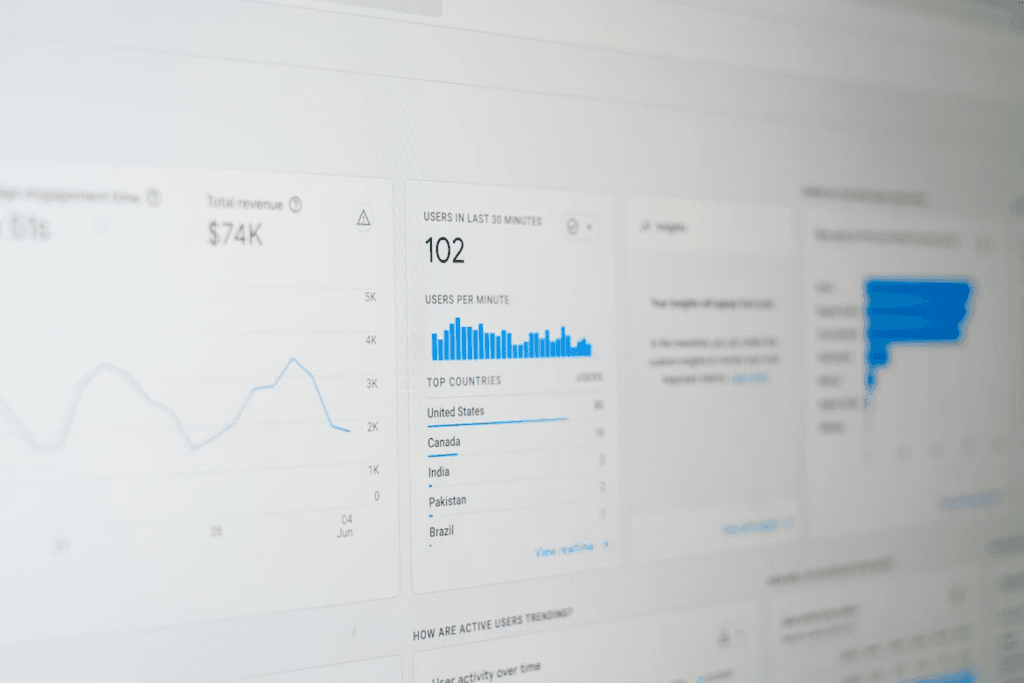
1. Review your 2025 PR performance

Start with a clear picture of how your company showed up in 2025.

Review:

  • Share of voice in your core markets versus competitors
  • Tone of coverage (supportive, neutral, critical)
  • Key themes and messages: did the stories you wanted to tell actually land?
  • Geography and outlets: where did you gain the most traction?
  • Spokespeople: leadership, technical experts, partners

This kind of overview makes it much easier to align PR activity with wider business strategy, something we prioritise in every PR audit and strategy we run for clients.
2. Look beyond traditional media coverage

Your reputation is shaped far beyond press articles.

In many industries, the conversations that really influence perception now happen through:

  • Podcasts and webinar panels
  • Conference stages and technical forums
  • Short-form video and explainers on LinkedIn
  • Local and industry networking formats

This includes initiatives like our Neon Nights and Morning Focus series in Stavanger, where marketing and communications professionals share ideas face-to-face, often generating just as much impact as traditional coverage.

3. Turn your website and press room into an AI-ready PR hub

By 2026, a growing share of professionals are asking questions via AI tools, not traditional search engines. Those tools summarise answers before showing links – and they rely heavily on sources that demonstrate clear, structured expertise.

For PR teams, this means your website and online press room need to work harder.

Focus on:

  • Updating your company boilerplate to reflect your 2026 strategy (not your 2019 org chart)
  • Refreshing leadership bios with current roles, markets and priorities
  • Making press assets easy to reuse: logos, images and fact sheets in one place
  • Structuring content with clear headings, summaries and FAQs so journalists and AI tools can quickly understand and quote you

The goal is simple: when someone – human or machine – asks “who can I trust on this topic?”, your official channels should appear first.

project neon team

4. Build a simple PR calendar for 2026

You don’t need a complex system. Start with a single page that captures what you already know is coming this year:

  • Product launches, field trials or major project milestones
  • Financial results, ESG or sustainability reporting
  • Exhibitions and conferences (from ONS 2026 to niche geothermal or offshore events)
  • Internal milestones worth sharing externally, major hires, anniversaries, office moves

From our event and PR work, we see the strongest results when PR, marketing and sales align early around the same milestones.

Even a rough calendar gives you time to shape stories – not just announce them – and reduces last-minute scrambles when an important date suddenly appears “next week”.

5. Clean up media monitoring and alerts

Most communications teams aren’t short on information, they’re short on relevant information.

Early in 2026, take an hour to:

  • Refine keyword lists around real priorities (markets, technologies, competitors, partners)
  • Reset alert levels — weekly digests for most topics, instant alerts only for critical issues
  • Segment coverage into usable views (investor-relevant, customer-relevant, talent-relevant)

When we built weekly media intelligence for FourPhase, the goal wasn’t more news. It was insight that “read like a colleague who understands our deals”, something the team could act on every Monday.

6. Make your PR content easy to find and aesy to cite

If you want journalists, analysts and AI assistants to reference your company, your content needs to behave like a reliable source.

We’ve seen this work first-hand. For clients like FourPhase, building a library of specialist, well-structured insights has made their content easier for both engineers and AI tools to quote and reuse.

Here, depth beats volume. A small number of evergreen pieces that people bookmark and return to will do far more for your reputation than a steady stream of thin updates.

7. Set clear, simple PR goals for 2026

Once you’ve reviewed 2025, define a small set of PR measures that actually matter internally.

This might include:

  • Visibility of experts (quotes, op-eds, speaking slots)
  • Engagement with key insight content
  • Website traffic or enquiries generated from PR activity

The aim is to show how PR supports business strategy, not just how many headlines you generated. This is the same approach we take when running marketing and PR audits for new clients.

In Summary: a practical PR reset for 2026

A short PR “new-year reset” can give you:

  • A shared, fact-based view of your reputation after 2025
  • A website and press room that support journalists and AI tools
  • A realistic PR calendar for the rest of 2026
  • Media monitoring that cuts through noise
  • Clear, meaningful measures everyone understands

Planning your marketing for 2026: a practical guide

It’s a new year!

Amid year-end deadlines and project wrap-ups, marketing planning often gets pushed to January.

Well, it’s January now.

To ensure marketing supports growth in 2026, you must plan before the year slips away.

If you need a clear plan, here’s our guide to creating a proactive marketing strategy for 2026. It’s practical, structured, and designed to maximize your year ahead.

porject neon team

Start with Business Goals

Before diving into campaigns or content, connect marketing to the larger strategy.

What are the company’s goals for 2026?

  • Revenue targets
  • New markets
  • Operational changes
  • Internal priorities

Are any big-picture changes needed?

  • Updated positioning
  • A refreshed brand
  • Clearer messaging
  • New value propositions

What does the commercial team need?

  • Marketing should back tenders, agreements, key accounts, and sales pipelines—not act alone.

Any recruitment or employer branding needs?

  • Talent attraction is vital in energy, maritime, and technology. Marketing should support this.

Answering these questions ensures your plan is driven by purpose, not just momentum.

project neon team

Audit 2025: Internally and Externally

Effective planning starts with evidence, not guesses.

Review:

Your Performance

  • What worked well?
  • What didn’t?
  • Did your campaigns impact the pipeline?
  • Where did engagement come from?
  • What does your website data show?
  • What did your sales team observe?
  • Did you receive client or prospect feedback?

Market & Competitors

  • Have competitor messages changed?
  • Did new players enter the market?
  • Are customers changing how they buy?
  • Are regulatory, ESG, or industry pressures affecting purchasing?
  • Is the market moving faster or slower than expected?

These questions turn speculation into clarity and ensure your plan reflects the actual environment.

Reassess Your Audience

Markets shift, and so do audience priorities and pressures. While your customer or job title may remain the same, their needs might not.

Consider:

  • Has your buyer changed?
  • Are new stakeholders influencing decisions?
  • What are their pain points for 2026?
  • How do they consume information?
  • Are your messages still relevant?

Strong marketing meets current needs, not just repeats last year’s assumptions.

Understand Your Budget Reality

Aspirations can be limitless, but budgets are not. You need a plan that fits your business reality.

Clarify:

  • Confirmed marketing budget
  • Non-negotiable expenses (tools, platforms, events)
  • Flexibility for campaigns or brand-building

Develop a plan for the budget you have (or can ask for) and ensure it’s achievable, not just theoretical.

Assess internal capacity and capability

Even the best plan fails without the right people, tools, and processes.

Ask:

  • Do you have the capacity to execute consistently?
  • Are your systems (CRM, CMS, analytics) suitable?
  • Are roles clear?
  • What should stay in-house, and what can be outsourced?
  • Where can specialist support help your team or speed up progress?

This step ensures your plan is strategic and executable.

Strengthen Your Owned Channels

Before looking outward, focus on what you control—your own channels.

  • Website: Does it reflect your capabilities? Is the content current? Does it support sales?
  • Social Media: Are your platforms active, consistent, and purposeful?
  • Email: Is your database clean? Are you communicating regularly?

Owned channels often deliver quick wins. In an AI-driven world, your website should serve as a credible content hub for visibility, authority, and search readiness.

Identify Opportunities Early

Visibility doesn’t happen by chance. It comes from planning ahead.

Look for:

  • Industry events and conferences
  • Speaking opportunities
  • Awards
  • Editorial calendars
  • Key product or company milestones
  • Partnerships or sponsorships

Mapping these out early gives your marketing team the lead time to create impact rather than scramble.

Build a clear, realistic content and campaign calendar

Consistency is key. Avoid the “we need to post today” rush. A calendar won’t write the content for you, but it will guide your messaging.

Your calendar should include:

  • Monthly themes or focus areas
  • Planned campaigns and deadlines
  • Events, milestones, and announcements
  • Content cadence for each channel
  • Ownership and responsibilities

This should be a tool for clarity, not rigidity. Stay flexible and adapt to business needs or new opportunities.

Align internal teams

A strong plan only works if everyone knows it exists.

Ensure:

  • Leadership agrees on priorities
  • Sales is aware of what’s coming and aligned
  • Subject-matter experts know when they’ll be needed
  • Everyone understands the purpose and outcomes

Effective marketing cannot happen in a vacuum. Company-wide support reduces bottlenecks and strengthens delivery.

Project Neon team

Define How You’ll Measure Success

What does success look like? Discuss and decide upfront:

  • What you will measure
  • How often you’ll review it
  • Who is responsible
  • How insights will influence decisions

Success must be defined; otherwise, it’s just activity.

Make the Plan Usable

A marketing plan shouldn’t be a static document. It works best when it’s lived, used, and updated.

Create a framework that:

  • Helps you prioritize what matters
  • Aligns activities with business goals
  • Creates sustained momentum instead of reactive bursts
  • Provides structure while allowing creativity and adaptability

To make your 2026 marketing effective, not just busy, this is where it starts.

A Final Thought

January shouldn’t be spent debating whether to plan. It should be about putting a clear, agreed plan into action.

A solid plan gives you momentum from day one and keeps marketing aligned with business needs.

If you want support in shaping a structured, commercially aligned plan for 2026, we’re here to help.

Reach out, and let’s set your marketing up for its best year yet.

LinkedIn Algorithm 2026: how Brew 360 is redefining what works (and what doesn’t)

In 2026, LinkedIn’s content ecosystem looks very different. The old “algorithm” that once rewarded posting frequency, timing hacks, and superficial engagement has been replaced by something much smarter, an AI-powered recommendation and visibility system called Brew 360. This shift isn’t a minor tweak. It rewires how content gets seen, who it reaches, and what actions truly drive influence on the platform.

In this article, we unpack what Brew 360 actually is, why many old tactics no longer work, and how professionals and companies should adapt their LinkedIn strategy in 2026, with practical steps backed by expert insights.

What Is LinkedIn Brew 360? 

LinkedIn’s Brew 360 isn’t just another algorithm update, it’s a comprehensive AI-driven content visibility system that interprets the meaning behind what people post, who they are, and who might genuinely care about their content. Unlike the legacy model, which mostly counted likes, comments and basic engagement signals, Brew 360 understands context, language, and professional relevance.

Under this system:

  • Content is evaluated for semantic relevance, not surface-level metrics
  • The system learns from your historical activity and expertise signals
  • Visibility is personalized, not everyone gets the same treatment
  • Engagement quality (e.g., saves and thoughtful comments) matters more than quantity of reactions

In short, Brew 360 reads like a human editor, prioritizing clarity, relevance, and real value over tricks and shortcuts.

brew 360 waht's new

Why traditional LinkedIn tactics no longer work 

Many professionals have noticed that impressions and reach are down, even for high-quality content. But this isn’t because LinkedIn is broken. It’s intentional. Brew 360 shows fewer posts to smaller but more targeted audiences, rewarding content that genuinely serves the right people.

Here’s what has changed:

  1. Engagement and hacks are dead. Games like tagging long lists of people, posting at “magic” times, chasing likes, or using engagement pods are now actively detected and deprioritized. Brew 360 reduces visibility for content that feels forced or off-topic
  2. Frequency doesn’t mean visiblity. Posting constantly no longer increases reach. Instead, the system favors focused consistency over sporadic bursts of volume. Quality is now the central signal.
  3. Hashtags no longer influence content distribution. LinkedIn now identifies recurring themes across your posts to understand what you consistently talk about and who should see your content. Profiles and companies that focus on two or three defined areas of expertise achieve more stable and highly targeted visibility.
Stavanger Project Neon Øvre Holmegate

How Brew 360 actually works (behind the scenes)

According to LinkedIn experts and real user experience. reads more than your post. It examines:

  • Your profile information (headline, About, experience)
  • Historical posting patterns
  • What you engage with
  • Comment quality and conversation depth
  • Which audiences find your content valuable
  • Consistency shapes credibility

Posting tightly around 2–3 core topics helps Brew 360 understand your niche. This thematic consistency leads to more stable and relevant reach.

  •  AI-generated or templated writing is penalized

Because the system detects patterns, generic or template-style content gets less visibility. Authentic, human language wins.

  • Saves and thoughtful engagement are high-value signals

When people save a post or engage with a meaningful comment, LinkedIn interprets that as long-term value. These signals significantly boost visibility and longevity in the feed

What this means for individuals

Under Brew 360, your LinkedIn strategy should shift from gaming visibility to building credibility and value. To succeed:

  • Engage in your niche consistently: likes and replies in your field signal relevance. 
  • Align your content with your professional identity: make sure your headline, About section, and posts tell a cohesive story.
  • Focus on fewer, higher-impact posts:1–2 thoughtful posts per week beat daily shallow broadcasting.
  • Write clearly and teach something useful: explanations, frameworks, and lessons outperform generic observations.
  • Encourage thoughtful discussion: questions and reflections that spark real comments matter more than surface reactions.

What this means for companies 

Company pages are especially impacted. Organic reach has declined because Brew 360 now prioritizes relevance at scale over broad visibility. To adapt:

  • Define your focus clearly: your company description and tagline are now key signals.
  • Create audience-specific posts: avoid generic updates for everyone; target content by sector or role.
  • Use visuals to clarify, not bait: charts and carousels perform best when they illuminate insights.
  • Leverage employee advocacy: early, thoughtful comments from internal experts amplify reach and credibility.
  • Invest in a proper Paid Advertising strategy to pair with organic publications
  • Organic visibility can still work, but it works differently: through relevance, precision, and coordinated engagement.

Seven strategic shifts you can apply now

Here’s a concise action plan based on expert insights from LinkedIn strategists:

  1. Refine your professional narrative: make your expertise crystal clear in your profile and posts.
  2. Pick 2–3 core topics and post consistently around them.
  3. Write for clarity, not cleverness: avoid AI templates and buzzwords.
  4. Encourage real discussions: questions that require thought signal value to the algorithm.
  5. Focus on saves and long-term utility: craft posts people will want to bookmark.
  6. Coordinate employee engagement thought-leading comments matter more than generic replies.
  7. Pair organic content with LinkedIn Advertising for scale and frequency control

For professionals and brands who adapt early, Brew 360 offers a significant competitive advantage. For those relying on outdated tactics, visibility will continue to fall.

Want help mastering this new landscape? Stay tuned for our Project Neon guides on advanced LinkedIn strategy or contact us for a tailored audit.