Connect
Connect
Connect
Connect

Networks that open doors 

Morning Focus with Mari Danielsen Lunde

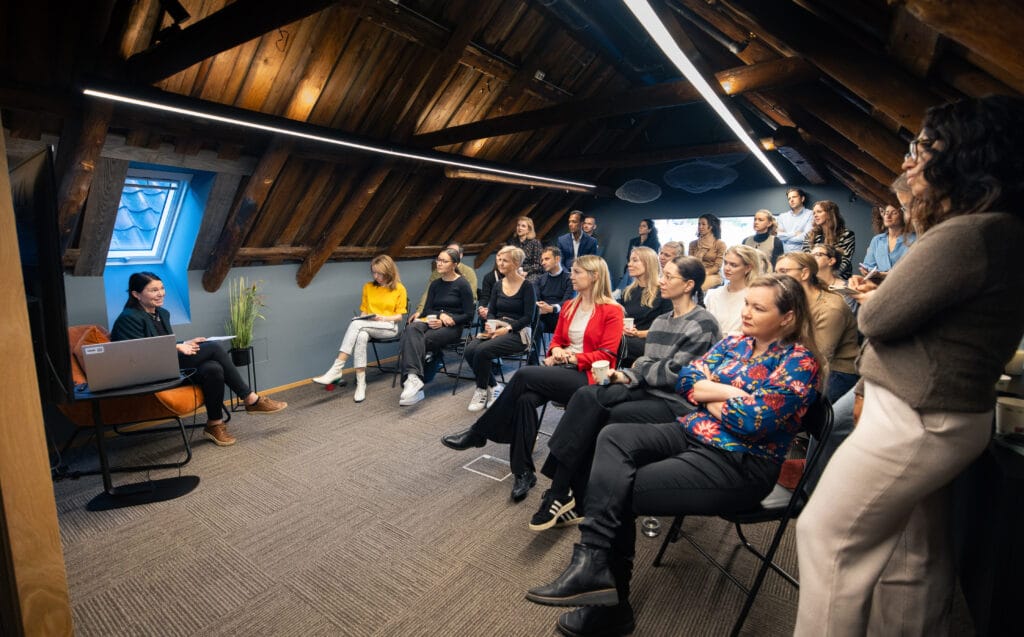
Who helps you find your way when you step into a new industry or move to a new location? On Tuesday 18th November we opened our office doors, ensured everyone had a a coffee in hand and explored how professional communities can make the “hard to crack” maritime industry feel more open, steerable (pun intended) and human.  

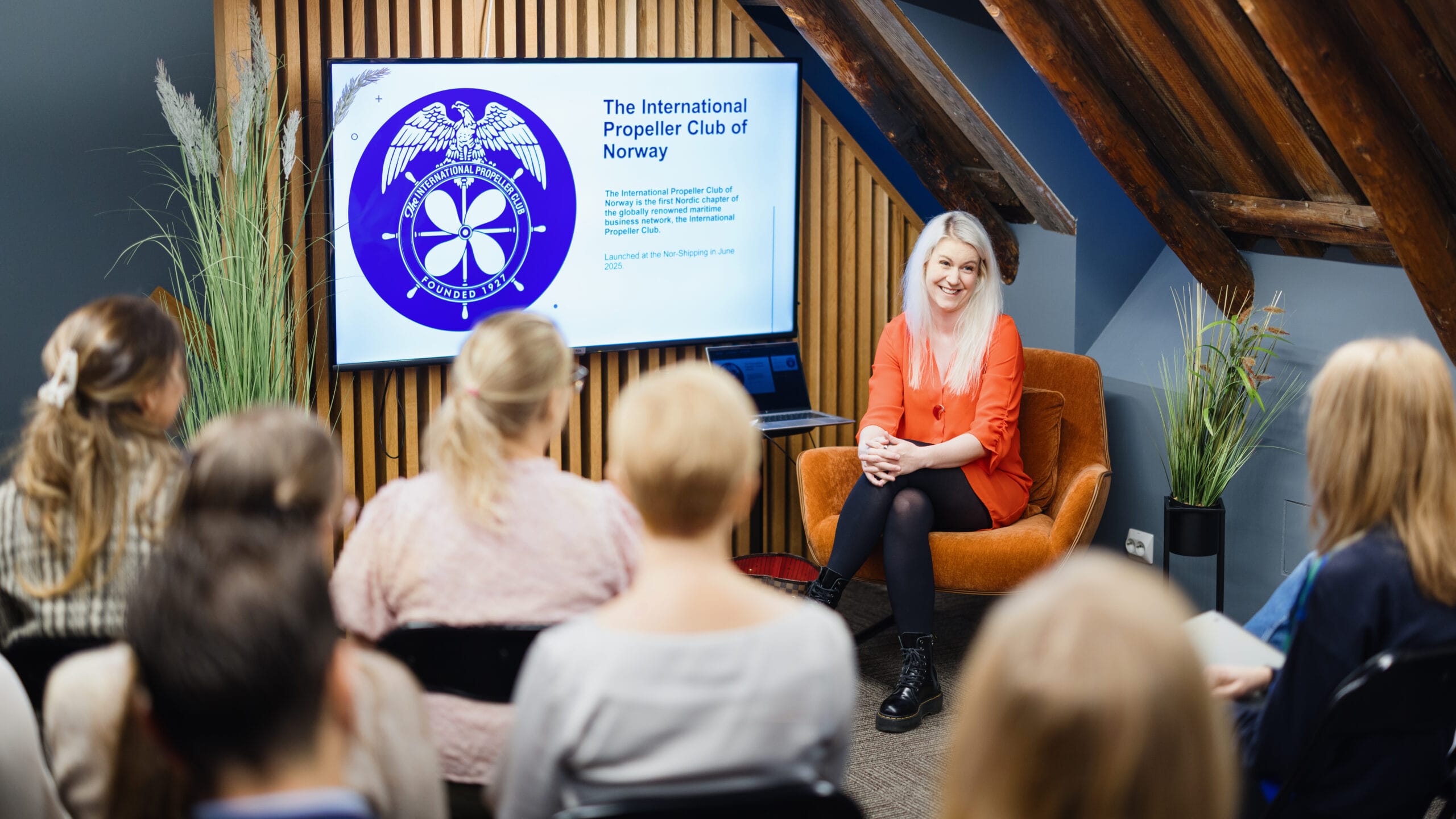
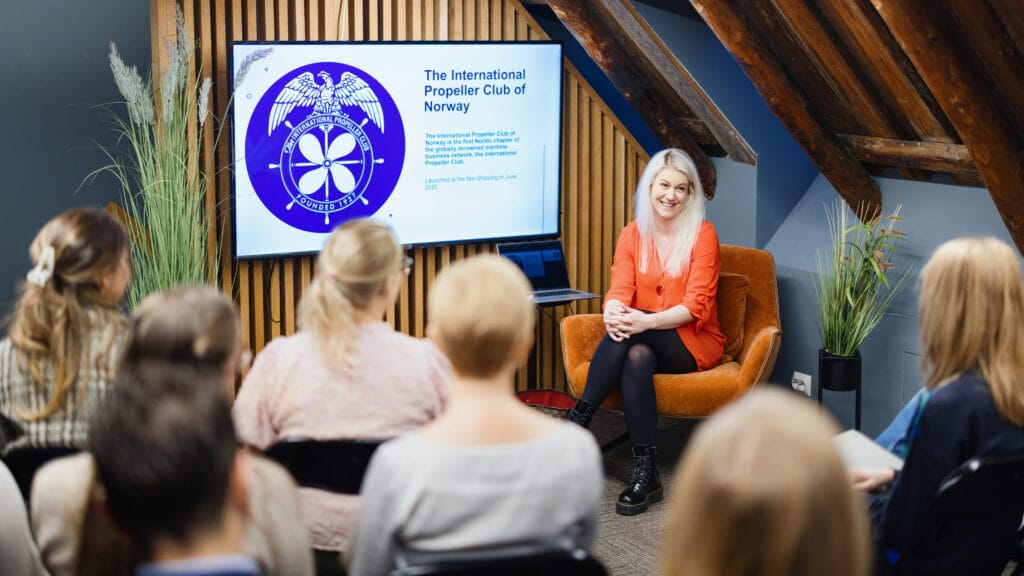
Mari Danielsen Lunde, Shipping Operation Manager at Equinor and Board Member of The International Propeller Club of Norway talked about her own experience in this.  

Mari brings a career that stretches across energy and shipping, with international projects in Canada and South Korea. Today, she leads Equinor’s Shipping Operations department for oil and product tankers. Outside of work, she is an opera singer (we know, very cool!) and music enthusiast.  

This blend of operational responsibility and creativity shaped the tone of the session. Inviting others in the room to join the conversation, the morning became collective exploration of how to best connect and help each other professionally.  

What do you think? Are opportunities shaped by proactiveness alone, or do we also need a bit of luck to meet the right people at the right time?  

Mari Danielsen Lunde, Shipping Operation Manager and IPC Norway Board Member

Community as a career catalyst 

Mari described shipping as an industry that can feel insular and closed in from the outside. Much of what really matters lives in trust, long-term relationships and informal networks built over time. For people arriving from other sectors or countries, entry into the Norwegian maritime industry can feel more like decoding a culture than applying for a job. 

Professional networks, she argued, are one of the most effective ways to bridge that gap. Rather than being purely about “contacts”, they create visible, low-threshold arenas where people can meet on equal terms.  

A morning gathering, an evening event or a club meeting can be a first step into conversations that would never happen in a formal interview setting. Over time, these encounters translate into insight into who does what, where decisions are made, and which challenges the industry are grappling with. 

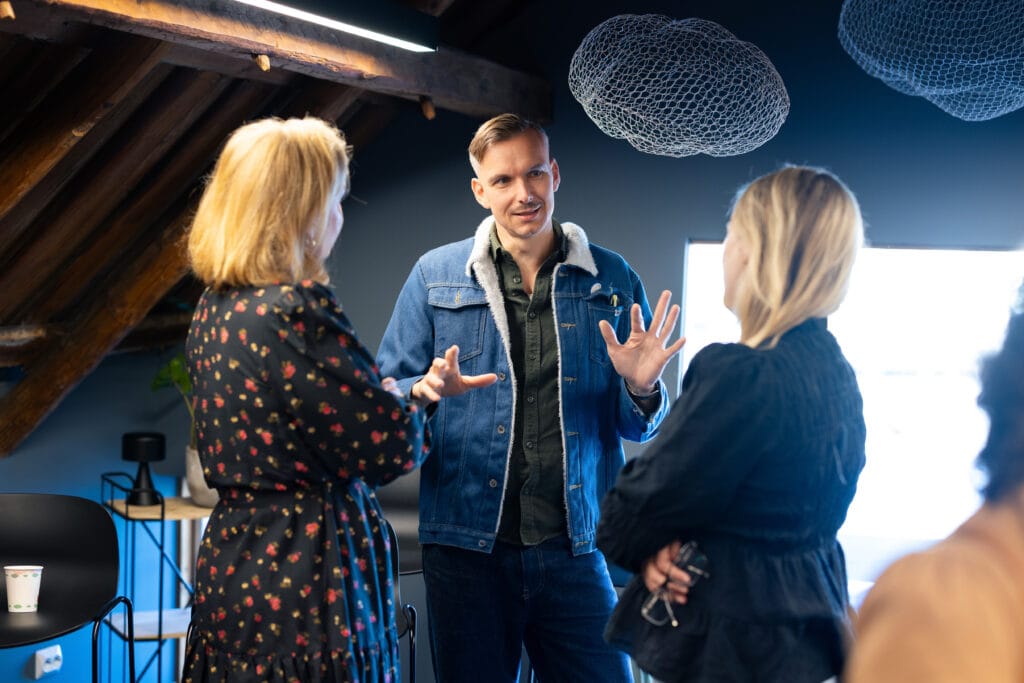
Sinem Ogis, Chair of IPC Norway

The power of networks

Mari described shipping as an industry that can feel insular and closed in from the outside. Much of what really matters lives in trust, long-term relationships and informal networks built over time. For people arriving from other sectors or countries, entry into the Norwegian maritime industry can feel more like decoding a culture than applying for a job. 

This is one of the reasons Mari chose to get involved in The International Propeller Club of Norway. The vision of IPC Norway is to build a network across the maritime sector, not just traditional shipping. That means bringing together people from ship operations, ports, energy, services, finance, law and technology, and giving them a shared arena to share experiences and perspectives.  

In the end, what Mari highlighted is something many of us recognise but rarely articulate: careers don’t grow in isolation. They grow through people – the ones who answer questions, open doors, and make a new landscape feel navigable.  

In a sector where trust and access shape opportunity, networks help level the playing field, especially for those stepping into something new.  

That’s exactly why we’re going to keep creating spaces like Neon Nights and Morning Focus. Places where conversations spark, ideas move, and connections turn into opportunities. 

If you haven’t joined us yet, consider this your invitation! 

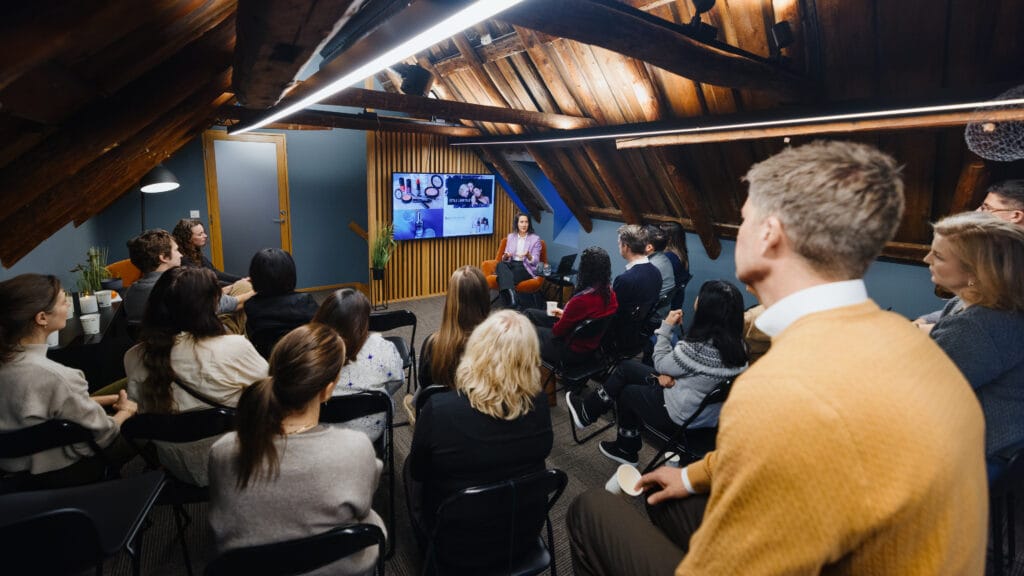
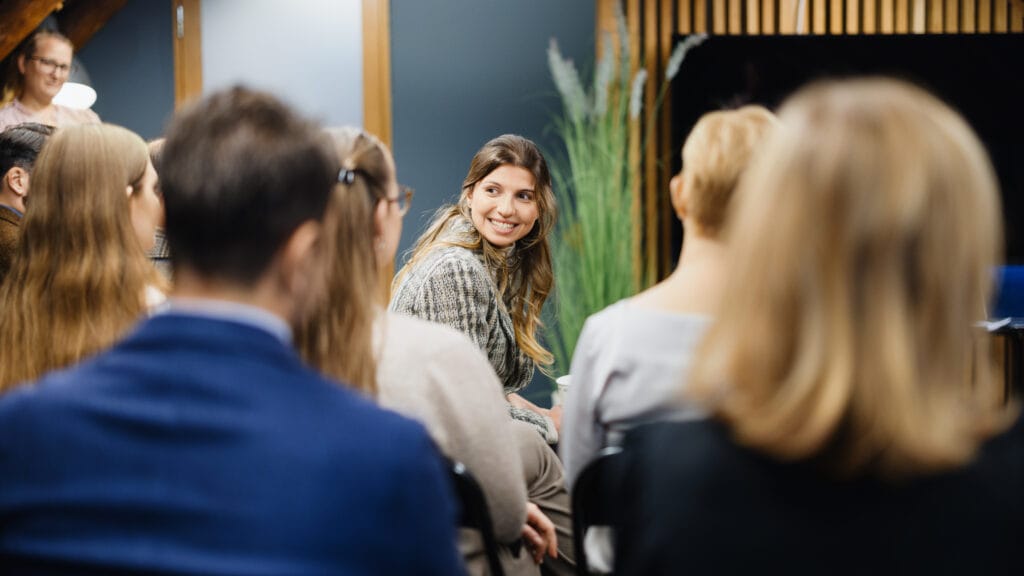
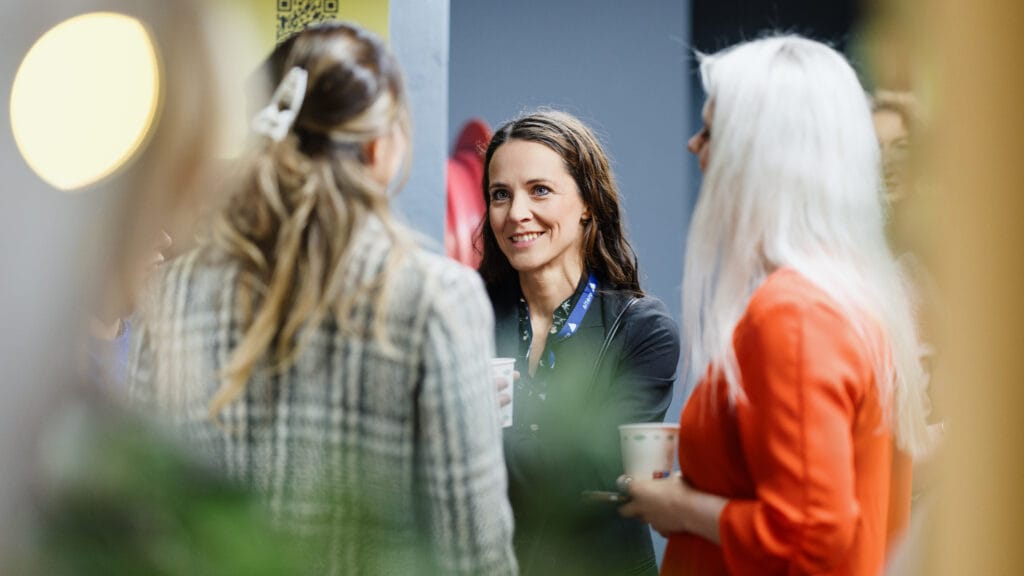
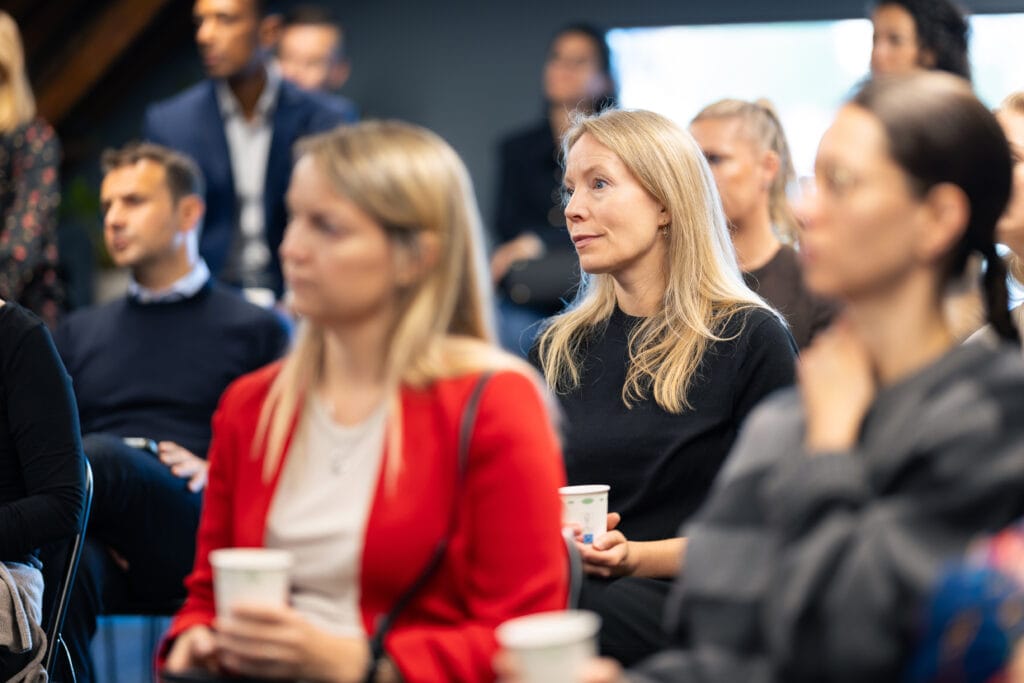
People at the Morning Focus event

Culture shift: comms Leading the Way 

When was the last time you challenged your own practices?  

The willingness to rethink and reimagine is what makes communication such a powerful force for transformation. 

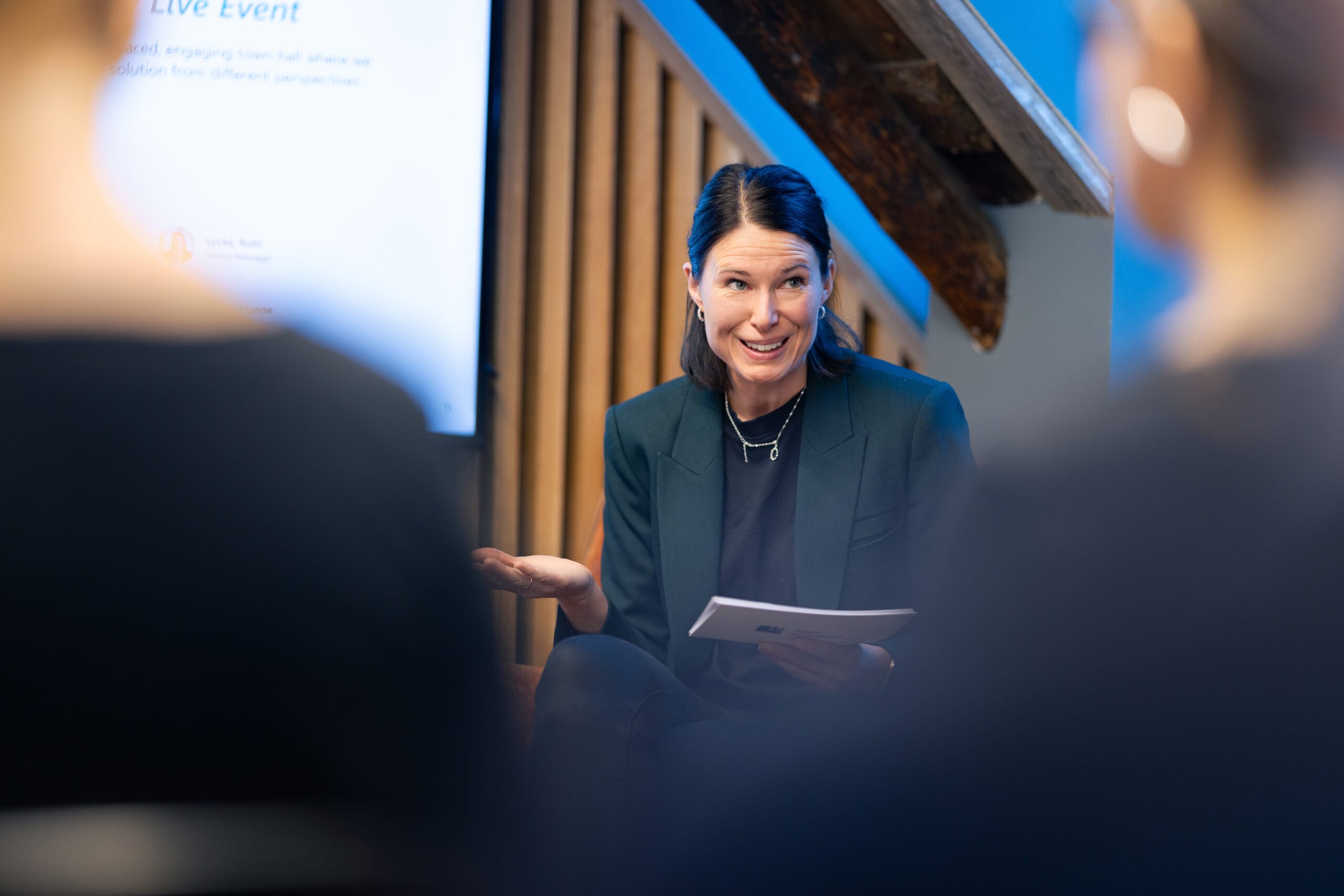
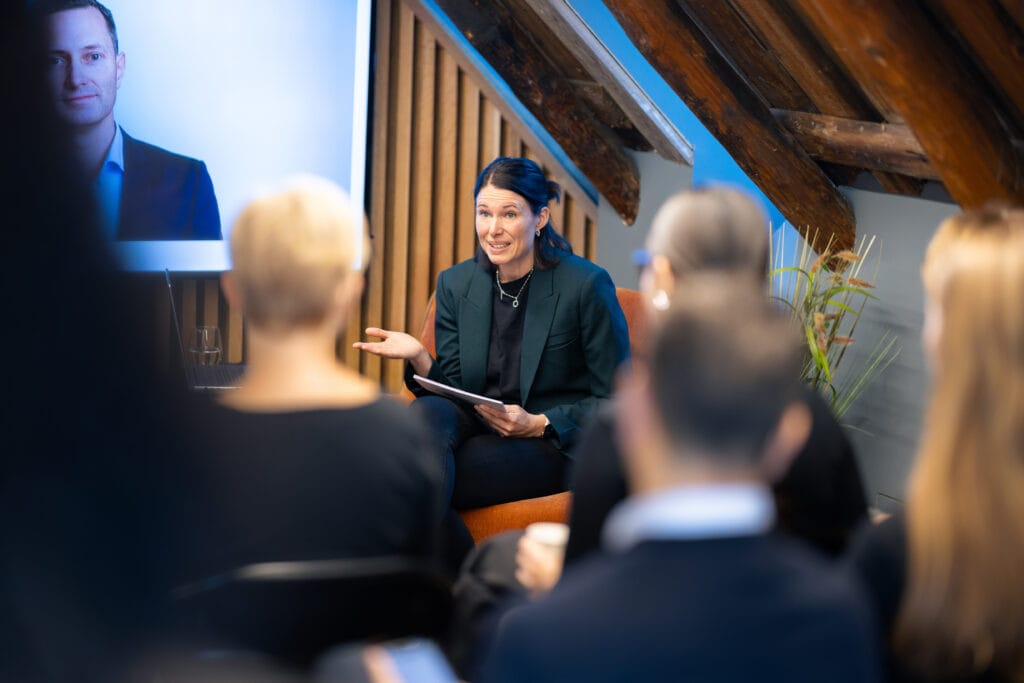
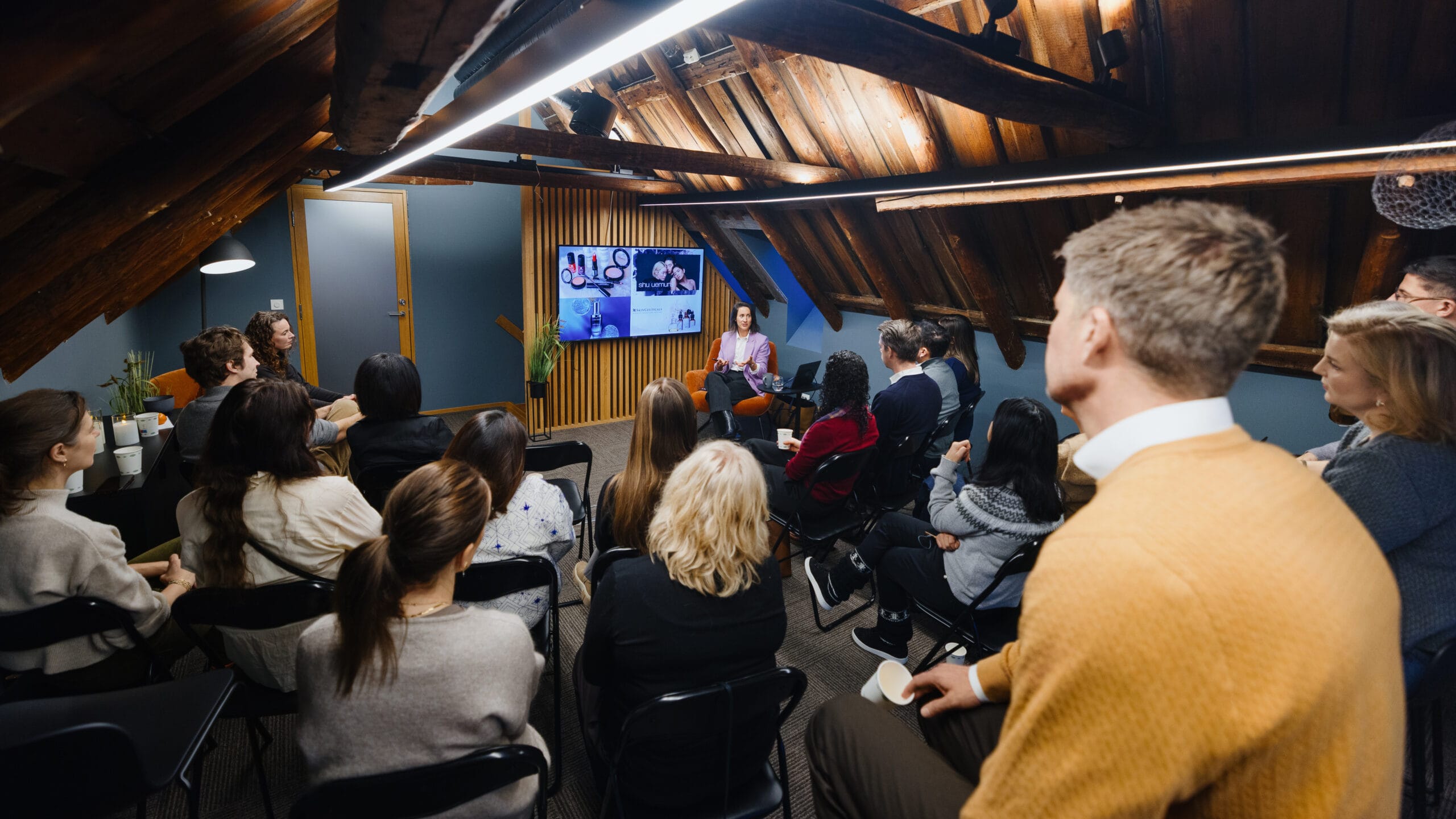
It was also a theme that came to life in our recent Morning Focus. We were joined by Ruth Siri Espedal Lycke, Head of Communications, Life Cycle at Aker Solutions, who gave us an inspiring answer, showcasing how internal communications is more than a function, it serves as a spark for culture change. 

Ruth brings decades of experience spanning journalism, corporate communications, and internal culture building. Her passion for storytelling and employee engagement shone through as she shared the evolution of Aker Solutions’ Life Cycle, a bold initiative designed to activate employees and build a culture of continuous improvement. 

Communication as a Tool for Change 

For a global company like Aker Solutions, with over 4,000 employees across offices, workshops, and offshore teams around the world, connecting people is no small task. Rising costs and the demand for efficiency meant the organisation needed to engage its teams in meaningful ways that went beyond standard corporate messaging.  

Ruth explained that traditional best practices like polished corporate emails, and top-down directives, no longer resonates in today’s fast-paced environment. She quoted Adam Grant: 

“A lot of your best practices were built in a world that no longer exists. Instead of clinging to them, you need to look for better practices.” 

This mindset led to the creation of the Life Cycle, a 15-minute live event every Friday. With the goal to spark dialogue, share improvements, and make employees feel like active participants in shaping the organisation’s current and future operations. 

Power of Playful, Inclusive Communication 

Ruth emphasised that successful internal communication doesn’t require huge budgets or advanced multimedia skills. What matters is creativity, commitment, and management buy-in. Additionally, Aker Solutions took full advantage of the opportunity to be playful internally by incorporating AI animations, a theme song, and creative brand elements. This helped to connect with employees in a way that was approachable and relatable. 

Life Cycle features a panel of diverse employees each week, offering different perspectives on topics ranging from technical solutions to people-centred achievements. This format has been particularly effective for geographically dispersed teams. The approach also encourages vulnerability and courage: success isn’t guaranteed, but attempting new methods fosters trust and engagement. Since its inception, Life Cycle has attracted 300–600 attendees per week, and managers are now starting to integrate the content into team meetings and in workshops to broaden participation. 

Perhaps the most impressive outcome has been the increase in employee ownership and initiative. Staff are now proactively reaching out to leaders like Pål Eikeseth, EVP Lifecycle, with suggestions to improve processes. This is a clear indication that communication can directly influence business performance and operational efficiency. By leveraging communication strategically, Aker Solutions has turned storytelling and employee engagement into tools for driving operational excellence.  

Ruth emphasizes that Communication is an enabler for driving cultural change and a support for leadership. Still, it is the direct communication between leaders and employees in meetings and leadership actions that has the greatest impact. 

Morning Focus

Networking and peer focused events, like Morning Focus, are invaluable for communication and marketing professionals as they provide a space to pause, reflect, and learn from innovative leaders who are challenging traditional practices.  

The session reminded us that courage and creativity are the building blocks for bold communication strategies. And bold communication has the power to transform how organisations operate. For those in internal communications, the insights Ruth shared are immediately actionable: from creating inclusive formats to experimenting with playful storytelling. 

If you missed this session, don’t worry – Morning Focus will return in November.
Stay tuned for updates!