Connect
Connect
Connect
Connect

AI can write content, but here’s why the human touch still matters

It’s a Monday morning in mid-September. First thing in the week, I want nothing more than a cup of coffee, a quick scroll through my emails, maybe a glance at the news or LinkedIn updates. But lately, I’ve noticed something strange: my feed feels… flat. 

It’s the same overly enthusiastic, “guru” tone everywhere, peppered with emojis, every word capitalized like it’s shouting at me. Honestly, it’s uninspiring. Social media is spammed by ChatGPT and Copilot worded posts. We keep posting content pretending it’s authentic, when the opposite is the case. Everyone is basically just pretending. 

Let’s be honest: this stuff might fool some people, but a “geriatric millennial” like me? Not so much. I was there when the digital world started opening up and remember when people poured hours into writing genuine blog posts, keeping them alive with consistency and passion. I witnessed the rise of social media. I’ve worked in companies that invested real time, money, and creativity into building a unique voice across websites, campaigns, and channels. 

But today, everything feels different. AI tools haven’t just arrived to help us: they’ve replaced authentic human voices. And somewhere along the way, we stopped using our own creativity. We got lazy. We convinced ourselves that being good at prompts makes us experts in communication and personal branding. But here’s the question that keeps bugging me: where did creativity go? Where did authenticity go? Is it that our perspective and perception also changed?  

Are we still able to discern what is “INSTRAGRAM” vs “REALITY”? Are we still able to see the world without filters? 

Just a few philosophic questions to start the week! 

Jokes aside and spoiler alert: I think that human voices still matter. 

The power of authentic content in 2025 

In a world flooded with content, what truly stands out isn’t just clever headlines or SEO tricks: it’s authenticity. People want to hear and read stories that inspire, educate, and actually add value to their lives. Something they can relate to. Authenticity isn’t optional, it’s everything. 

Sure, AI platforms like ChatGPT, Gemini, CoPilot or Jasper can generate text quickly, based on data and patterns. But they still lack the human spark: the imperfect, emotional, real element that makes content engaging and relatable. 

If you’re wondering why your unedited, low-res casual photos of the team get more engagement than a perfectly polished, on-brand carousel, well, you already have your answer. 

It’s a changing landscape. 

This is just the state of things right now. When I started writing this blog some months ago, it looked very different. I’ve had to update it again and again, because AI is evolving at lightning speed. Tools that seemed impossible twelve months ago are now part of our everyday workflow. 

And yet, one thing hasn’t changed: AI still can’t replace human creativity or the personal touch. Yes, it gets (terrifyingly) sharper every day: it learns from our feedback, our experiences, our corrections. But it’s still not there

Ipnocrazia

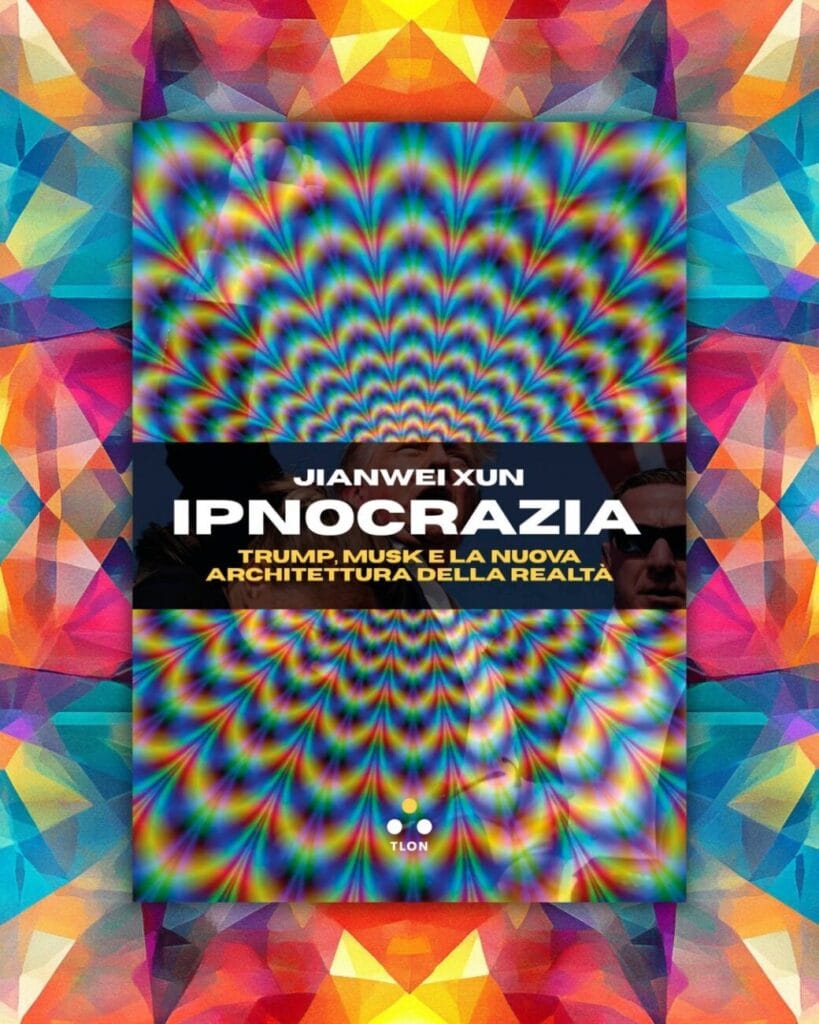
I’m thinking here about the fascinating case of the Italian philosopher Andrea Colamedici and his book Ipnocrazia, that appeared on the shelves this spring 2025.  WIRED described it as an “Acclaimed Book About Digital Manipulation”. The book was created through a process of philosophical co-writing with artificial intelligence systems, under the pseudonym Jianwei Xun, a fictional character who, according to the author, represents a “collective of human and artificial intelligences.”  

At first, it was released in only 70 exemplars, but it quickly became a success: selling over 5,000 copies and translated into multiple languages. Then came the controversy. Critics felt deceived when they discovered it had been written with AI. Some reviewers even accused Colamedici of “cheating” the literary world; El País initially reviewed the book positively, only to retract their article once the AI involvement was revealed. 

But here’s the nuance many missed: Ipnocrazia was written with AI, not by AI. There’s a huge difference. In fact, creating a book using AI tools isn’t as simple as typing prompts. It’s a slow, intentional, and highly iterative process. Colamedici didn’t just copy-paste chatbot text: he steered the conversation, refined the language, added philosophical structure, and elevated the raw output into something that could stand as a serious work of thought. Without his guidance, editing, and intellectual framework, the manuscript would have been meaningless. 

What makes Ipnocrazia so intriguing is exactly this tension: it’s not “pure” AI work, nor is it a traditional book. It’s a hybrid experiment, showing what happens when human creativity collaborates with a machine. And maybe that’s the uncomfortable truth we’re all grappling with: AI can impress us, even inspire us, but it still depends on the human mind to give it direction and meaning. 

So maybe the real question isn’t how far AI can go, but how far we let it go. Where do we decide to stop? Where do we draw the line? 

Ipnocrazia text book cover

AI enhances, not replaces, human work: a creative partner 

Beyond the ethical concerns, one truth stands out: the human element remains irreplaceable. As Tim Soulo, CMO of Ahrefs, puts it: “It’s your knowledge and unique ideas that make your content useful and interesting. Everything else is secondary.” 

From philosophical / social experiments to marketing and communications, the lesson is the same: text produced solely by AI falls short. Human intervention is essential. Yes, AI-generated content is becoming more polished, but search engines like Google are constantly refining their algorithms to detect and prioritise human-driven work. Why? Because AI often misses the details (and we all know how important they are), the cultural context, and the emotional nuance that define truly great writing. 

A forward-thinking copywriter should ask,
“How can I improve with AI?” rather than “Can AI replace me?” 

My final 2 cents on the topic. 

AI is moving faster than we can fully process. It’s powerful, and it’s here to stay. But it isn’t the protagonist of this story – we are. Used well, AI can amplify creativity, speed up the boring stuff, and free us to focus on what really matters. But it can’t replicate the spark that makes content truly resonate: our curiosity, our imagination, and our ability to connect with other human beings. 

So, before you slash your marketing budget and hand the keys to automation, remember this: content is still king. And the best content doesn’t come from an algorithm. It comes from people – thinking, questioning, creating, and daring to tell stories that matter. 

Neon Nights: The story so far

At Project Neon, we’re more than a team; we’re a mosaic of cultures and perspectives. Norwegian, Scottish, English, Irish, Portuguese, French and Italian minds working side by side. We thrive on collaboration, and we believe that great ideas are born from great conversations. 

We wanted to create a space where those conversations could happen more often locally. Stavanger is a city that’s as international as it is innovative, full of expats, professionals, and creatives who are eager to connect. We couldn’t regularly find a space to do this, so we decided to make one ourselves! 

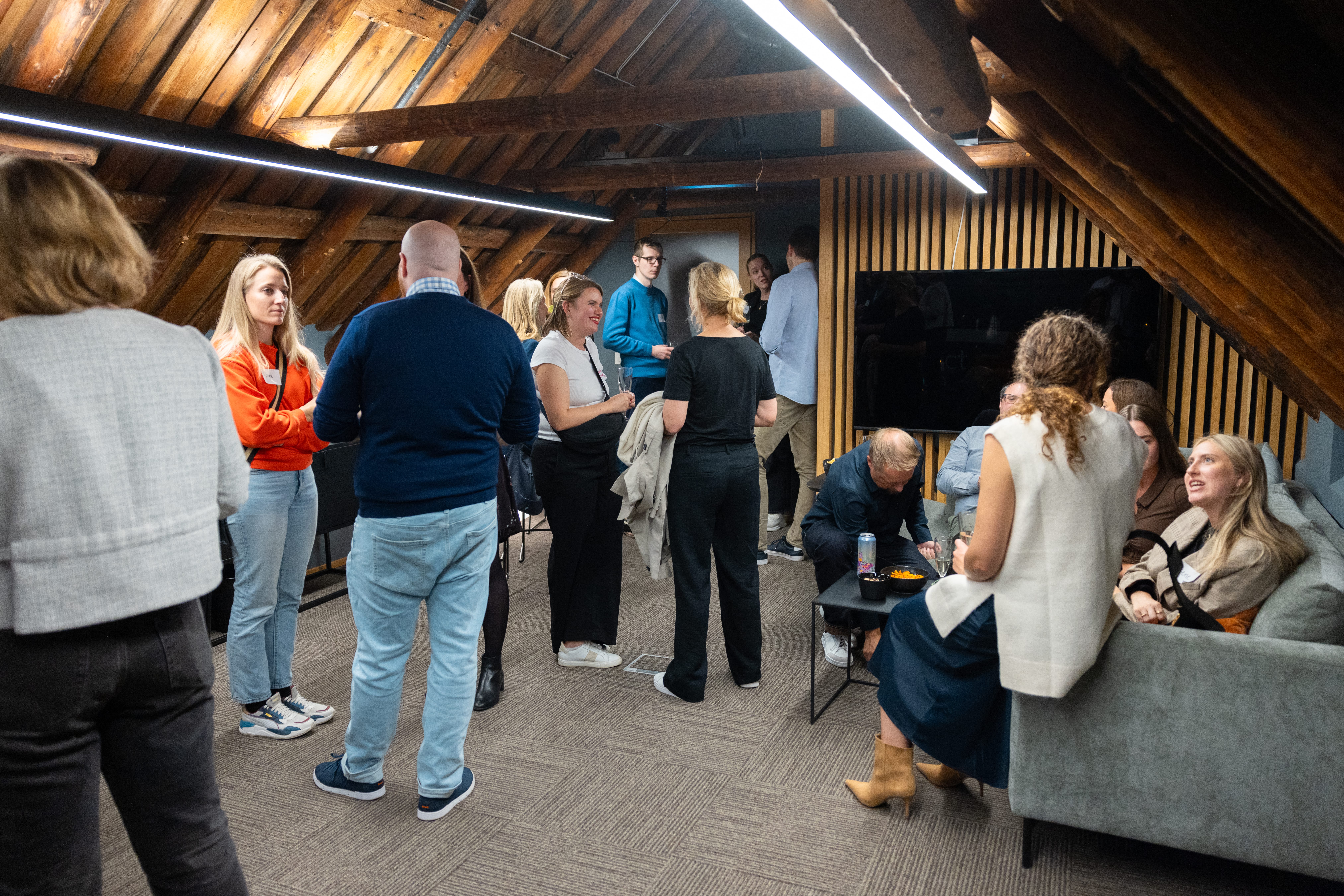
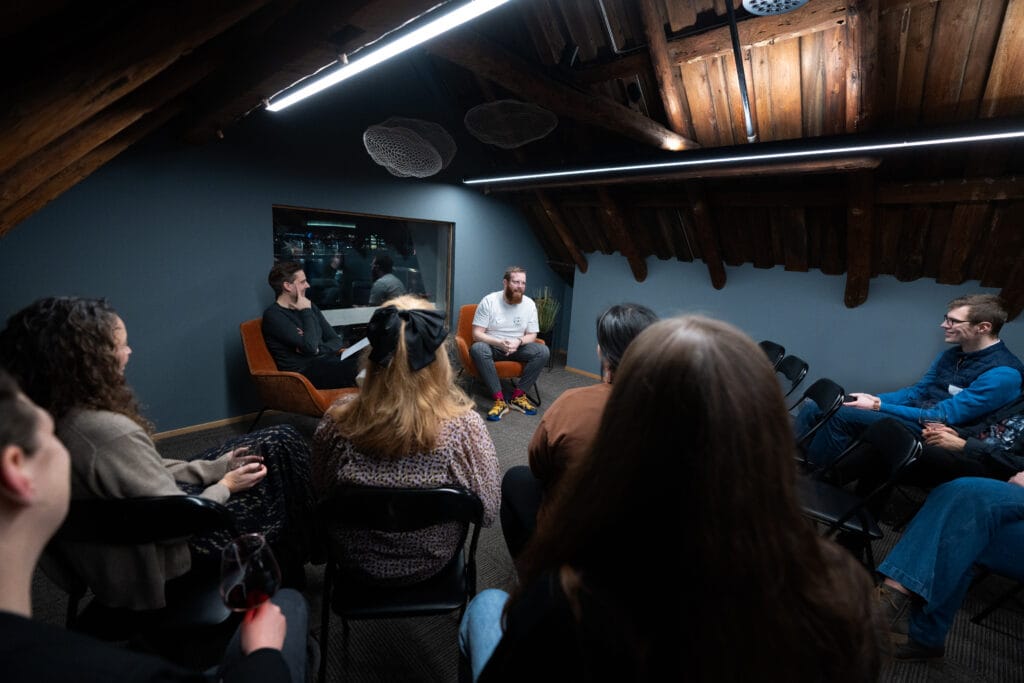
Neon Nights launched in February 2023. A free, informal event series where a guest speaker is invited to share their story in a relaxed “fireside chat” format. After that, the evening is all about open discussion and networking. 

What is Neon Nights?

Neon Nights isn’t your typical industry event. It’s: 

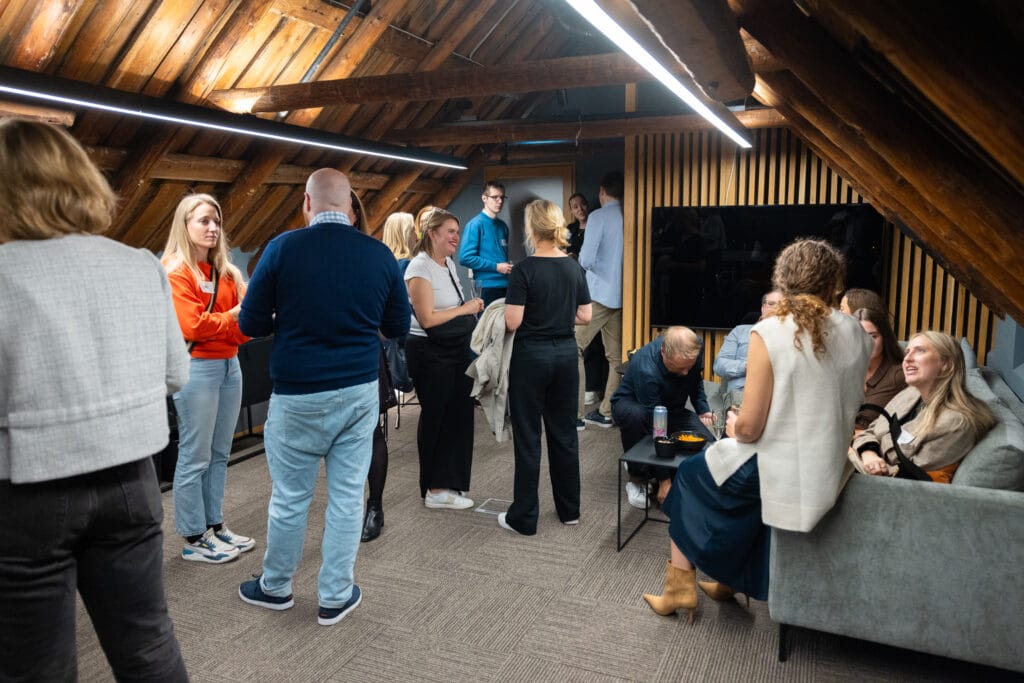
  • Casual – Come as you are, grab a drink, and unwind after work. 
  • Inclusive – Held in English to welcome Stavanger’s international crowd. 
  • Community-driven – Focused on building real relationships, not just LinkedIn connections. 

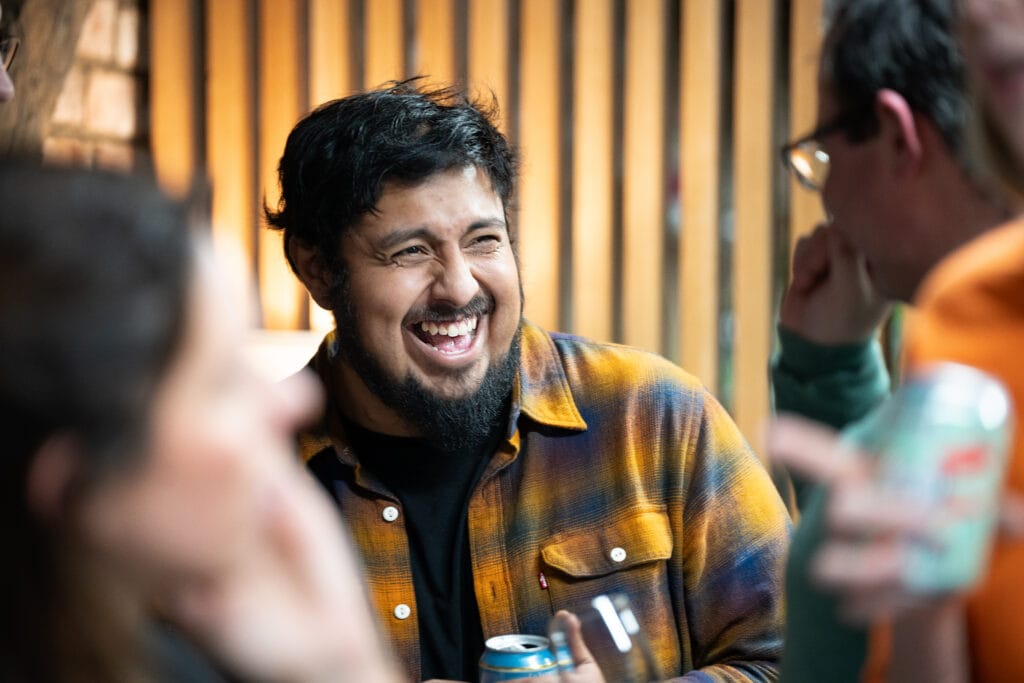
The Project Neon team has been described as enthusiastic and colourful and these events reflect exactly that. The event is engaging, and full of the kind of energy that makes people want to stay long after the official program ends. 

Real connections, real impact 

So far, we’ve hosted 9 events, and the stories that have come out of them are the reasons we keep hosting them: 

“The journey that began with curiosity and ambition led me right to where I needed to be. 
 
I had been attending Neon Nights for a while, each event bringing fresh energy and intriguing opportunities. One particular evening stood out – the next gathering was hosted by a company I had long admired, one I had hoped to work for someday. It felt like the perfect chance to gain insight into their world. 
 
As fate would have it, my plans shifted unexpectedly. Instead of mingling with potential future colleagues, I found myself attending a presentation by one of my own coworkers. A twist I hadn’t anticipated – but one that, in hindsight, made all the difference. 
 
Fast forward a year, and I’m celebrating my one-year work anniversary. Project Neon continues to draw in industry leading voices.” – Andreea Elizabet Ungureanu, ONS 

“Neon Nights has quickly become one of my favourite fixtures on the calendar. Every gathering delivers a great and relevant chat with local marketing leaders, followed by relaxed mingling. Because the talk comes first, everyone walks into the mingling session with ideas and an easy conversation starter – no awkward small talk.  

I’ve made some great connections and collaborated on multiple projects with people I met during the post-talk mingle. Huge thanks to the Project Neon team for creating such a fantastic forum for Stavanger’s marketing community; See you at the next one!”  – James Froment, Flare Media 

“Neon Nights truly offers the ideal synergy of professional development and networking opportunities. It brings together industry experts who share insights on pertinent and engaging topics within a welcoming, diverse, and approachable community, complemented by an excellent post-event reception. Beyond fostering new connections, Neon Nights has been instrumental in sparking successful collaborations, resulting in the delivery of six projects to date with Project Neon. I highly recommend Neon Nights to anyone aiming to advance professionally and forge new friendships.” – Ambrozie Pura, Rendering.no  

Even for those of us at Project Neon, Neon Nights has been a fantastic place to make great connections. It’s where we first met Ambrozie Pura from Rendering.no, who’s now our go-to for 3D animation. It’s also where we connected with James from Flare and Andres Denesh Gerbasi from Rastløs. Since then, they’ve become part of our extended creative team, collaborating with us on multiple projects.  

These stories aren’t just anecdotes; they’re proof that valuable connections can make a true impact. 

Project Neon offices in the heart of Stavanger

Our Speakers So Far 

We’ve been lucky to welcome some truly fantastic local voices, including: 

  • Maiken Økland – Zaptec  
  • Eirik Hogstad – Stavanger Oilers 
  • Marthe Reienes – Stavanger Business Region 
  • Inger Johanne Stenberg – ONS 
  • Hans Ludvig – Lervig  
  • Pål Oftedal – Lærdal Medical  
  • Lena Antonius – Stavanger Kommune  
  • Geir Søndeland, RA Stavanger 

Each one brought a unique perspective, sparking conversations that continued long after the mic was turned off. 

What’s next? 

We’re not stopping here. In fact, we’re turning up the brightness. 

As we look ahead, we’re exploring ways to evolve the Neon Nights format and introduce a second edition with a fresh twist. 
(Spoiler alert: it’s happening in the morning!) 

We want to something that fits different schedules, sparks new conversations, and continues to build meaningful connections. 

 But don’t worry, Neon Nights as you know and love it will always be there! 

To stay in the loop then make sure you keep following us on LinkedIn. We’ll be releasing the latest updates there.  

When ice cream stopped being dessert and became a tradition?

Syttende mai – 17th May – is loud, proud, and packed with symbolism. The day somehow singlehandedly manages to create an unmatched sense of unity– in a way that probably only the winter Olympics and women’s handball finals comes close to imitating. 

The day is spent (paradoxically) acting in a very un-Norwegian way: smiling and chatting to strangers, dressing up, joining group activities and loud chanting.  

As such a definitive point in the Norwegian calendar, we couldn’t help but wonder: what can this iconic day teach us about building a standout brand? 

Here are 7 lessons every business can borrow from syttende mai: 

1. Own your identity 

On 17th May, Norwegians don’t try to be anyone else. From wearing their traditional dress (bunad) to waving the national flag with zero irony, the day is all about celebrating Norway’s cultural image.. 

The lesson: Strong brands embrace what makes them unique. Don’t try to be everything to everyone or emulate your competition. Define your voice, lean into your strengths, and let your audience connect with the real you.  

2. Consistency matters 

Every year: same date, same activities, same decorations. You look forward to the ritual of the day, and it never gets old. That’s the power of consistency. 

The lesson: Showing up regularly and recognisably is key to brand awareness. Your tone, visuals, and messaging should be as easy to spot as a guy in a bunad… 

3. Make people feel part of it 

There’s no passive audience on 17th May – everyone’s a participant. Whether you’re marching, watching the parades, having champagne for breakfast, or just carrying a tiny flag, you’re involved. 

The lesson: Great brands don’t just talk at their audience; they invite them in. Think community, joint celebration, and co-creation. Build campaigns that make people feel seen, included and part of something bigger. 

4. Emotion drives connection 

Pride, nostalgia, joy…  syttende mai stirs something real. And in a digitally evasive world, real experiences are incredibly powerful. That’s why people come back for it, year after year. 

The lesson: Don’t just sell features. Tap into emotions. Tell stories. Create moments where your audience can have human connections.  

5. Visuals matter (a lot) 

In the weeks leading up to 17th May, most people have been tidying their gardens and put up Norwegian flags. On the day, beautiful bunads, bunting and flowers are everywhere. . It’s designed to be seen, photographed, and remembered. 

The lesson: Visual identity isn’t decoration, it’s communication. Strong, consistent visuals tell a story and help your brand stand out. 

6. Celebrate success  

17th May is a celebration of independence, unity, and national progress. It’s celebrated with pride and positivity. Even janteloven takes the day off work. 

The lesson: Don’t be afraid to share wins. Celebrate your milestones, product launches, partnerships and progress. People love a positive story. 

7. Brand Alignment  

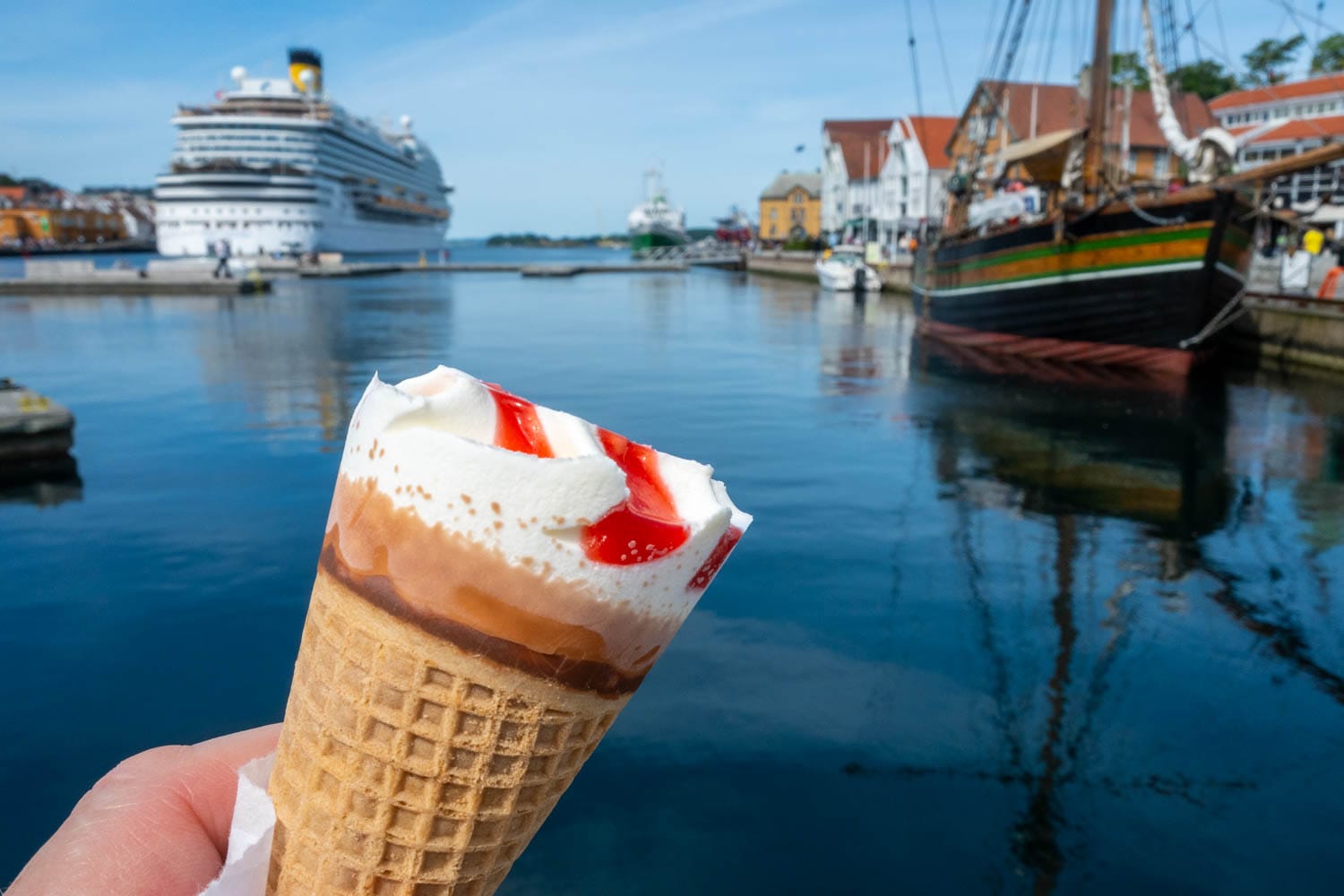
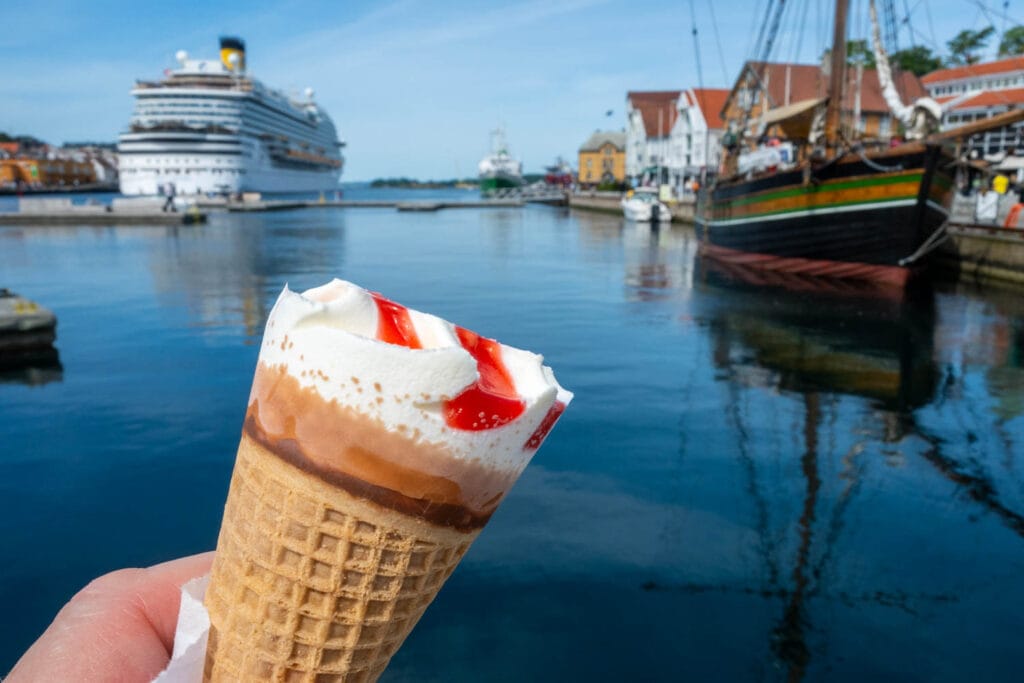
On 17th May, there’s an unofficial rule – kids can eat as much ice cream as they want all day! As a result, in 2023, over 30 million ice creams were sold in Norway during the week of National Day. That’s more than five per person. 

The lesson: if you can find a strategic brand alignment then they can be powerful. Finding a route to integrate your brand into your audiences’ experiences can help build loyalty and impact. 

In Summary: 

If 17th May were a brand, it would be: 
 

✅ Clear in purpose 
✅ Consistent in message 
✅ Emotionally resonant 
✅ Beautifully designed 
✅ Wildly popular 

Gratulerer med dagen! 

Hashtags on LinkedIn in 2025: Are they still relevant?

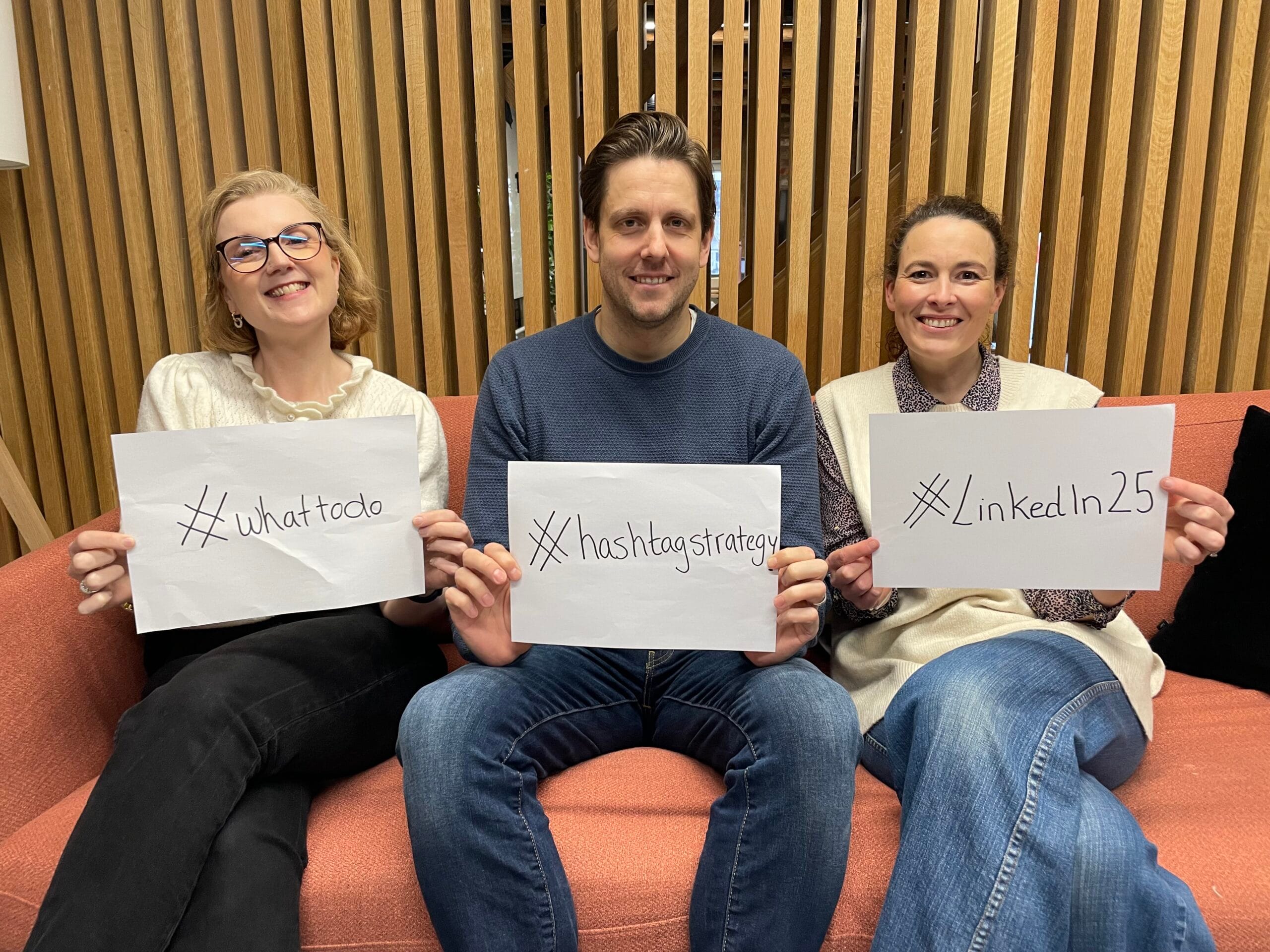
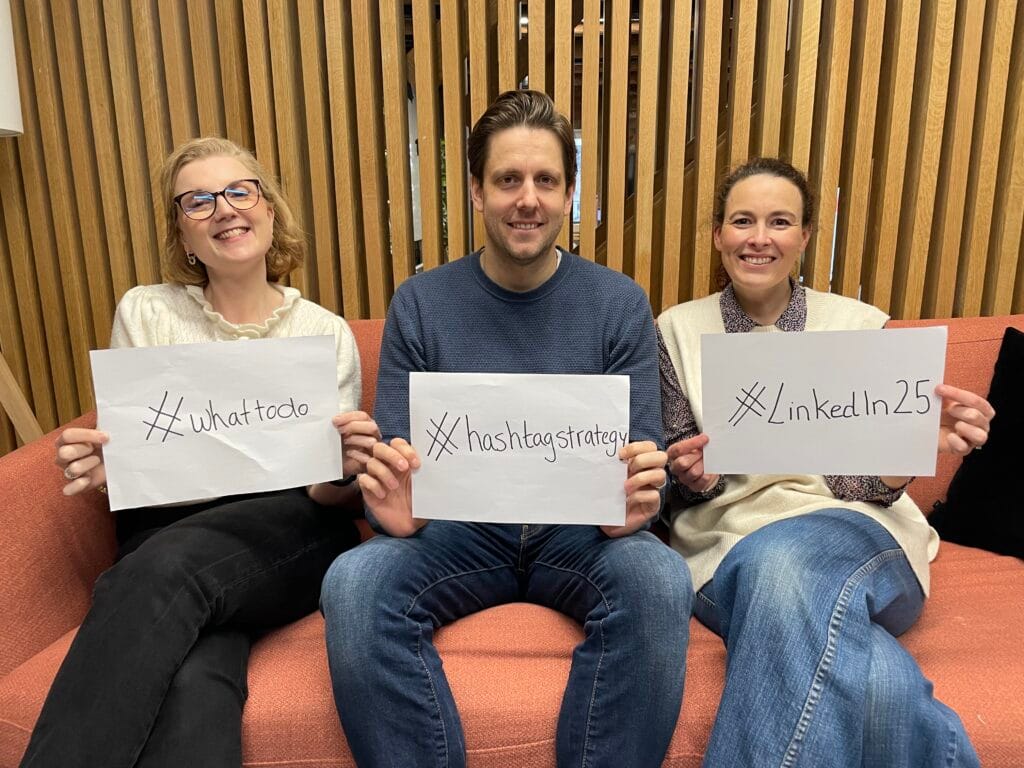
This week, a client asked us whether they should bother with a hashtag strategy on LinkedIn. It’s a great question—are hashtags still relevant in today’s LinkedIn landscape? 

If one client is asking, chances are other people are wondering the same thing. So, we’ve taken a closer look at this topic to give you a clear and actionable answer. 

The role of hashtags

Hashtags were originally designed to make content more discoverable and help define your business’ audience. In the early days of social media, they were seen as essential tools to boost visibility, track campaigns, and drive engagement. 

But as social platforms—and their algorithms—have evolved, so has the debate about the role of hashtags. So what’s our advice for 2025? 

The best practices for hashtags on LinkedIn in 2025

Firstly, hashtags remain a usable tool for categorizing content and reaching relevant audiences. However, their effectiveness is contingent upon thoughtful and strategic application. Here are three top tips to remember: 

  1. Limit Hashtag Quantity: Data shows that posts with 1–3 hashtags see the highest average engagement on LinkedIn—approximately 14.7 likes per post. By comparison, posts with zero hashtags or more than three often perform worse. This isn’t a volume game; it’s about balance. Keep it concise and stick to three or fewer hashtags per post. (Source: Statista) 
  1. Choose relevant hashtags: Pick hashtags that directly relate to your content and audience. Our advice – use one branded hashtag (like your company name) and two that tie into your post’s topic. Niche or industry-specific hashtags can help you connect with professionals interested in those topics 
  1. Avoid Overused Hashtags: Generic hashtags like #Innovation have a historic large following, but based on latest reports, they won’t necessarily connect you to your target audience. Instead, focus on specific, less-saturated hashtags that align closely with your message and content. (Source:The Social Shepherd

Our verdict

Don’t over think it: hashtags are no longer a make-or-break part of your LinkedIn strategy. They can still add value, but they shouldn’t take up time or focus. Instead use your energy to create great, credible, and authentic content.  

Also, re-direct your hashtag energy into encouraging employee engagement. Posts with comments, reactions, and shares from your team perform better in LinkedIn’s algorithm than those packed with hashtags. 

So, while hashtags still have a role, they’re just one small (and getting smaller) piece of the puzzle. Focus on creating meaningful content and building connections, and you’ll see better results. 

LinkedIn and Social Media Trends: Preparing for 2025

It’s now over 20 years since LinkedIn launched, and during that time, the world of social media continues to evolve. For marketing and communications professionals this means continually being aware of the transformative changes impacting businesses and professionals.

If you want to stay competitive in 2025, you need to use new trends and tools. What should you know to connect with your audience?

LinkedIn’s role in the 2025 social landscape

LinkedIn is more than a professional networking site. It is now a place for building communities, sharing ideas, and engaging with content. Here’s how the platform is evolving:

Group Engagement: LinkedIn Groups are becoming vibrant spaces for niche discussions and networking. Participating in or managing these groups positions brands as industry leaders while fostering community connections

Short-Form Video Dominance: Video content, including LinkedIn Stories and Live sessions, is increasingly central to engaging audiences. These tools help brands share authentic, impactful messages in an easily digestible format.

Employee Advocacy: LinkedIn’s emphasis on personal branding means employees acting as brand ambassadors can amplify reach and authenticity. Companies benefit from encouraging their teams to share professional milestones and insights.

Focus on thought leadership: Sharing long-form content, insights, and industry expertise is more important than ever. LinkedIn’s algorithm rewards authentic, informative posts, making thought leadership a key strategy for brand visibility

Storytelling: Who doesn’t like a good story? Storytelling is a powerful way to connect with LinkedIn’s professional audience. By sharing your brand’s journey—including challenges, triumphs, and behind-the-scenes moments—you create relatable, engaging content. Use videos or a series of posts to show client testimonials or your team’s culture. This makes your story real and memorable.

Founder content is a growing trend on LinkedIn. Executives and founders are sharing personal insights, industry knowledge, and company news more often. This approach humanizes brands, builds trust, and strengthens connections with audiences. In 2025, leaders must post authentic and thought-provoking content on LinkedIn. This will help improve their company’s image and influence.

While LinkedIn drives professional interactions, other platforms also set significant trends for 2025:

  • Social Commerce: This may not matter to many of our clients. However, it is interesting to see how platforms like Instagram and TikTok are adding shopping features. These changes let users find and buy products easily.
  • UGC – User-Generated Content: Authentic, community-driven content continues to outperform traditional advertising in building trust and engagement.

AI: The game-changer for Social Media Marketing

The world of AI is still evolving, but it’s doing so at a rapid rate. Some people worry about the effects of AI, especially on jobs.

However, as these tools develop, we think that by 2025, AI will not just be a tool for marketers. It will become a key partner for them. AI was once seen as a tool for content generation. Now, it plays a key role in improving strategies, optimizing workflows, and inspiring creativity.

  • Strategic refinement: AI analyses vast amounts of data, offering actionable insights into audience behaviour, best posting times, and content preferences. For example, AI tools on platforms like Hootsuite help marketers fine-tune campaigns for maximum engagement.
  • Streamlined organization: Messy brainstorming sessions become clear, actionable plans. AI helps create structured content and presentations.
  • Improved creativity: AI helps with idea generation and trend analysis. It acts as a brainstorming partner for marketers. This support allows them to create innovative campaigns that fit their audience.

Like many things valuable input creates more valuable outputs. As you use AI in your work, it’s important to try different prompts. Explore tools that are specific to your platform. Share your AI knowledge with your team. By embracing AI thoughtfully, marketers can transform their processes without losing the human touch… and this is the key.

Preparing your strategy

To thrive in 2025, brands should:

  1. Explore AI tools: Experiment with features across platforms to identify tools that align with your goals.
  2. Master AI prompting: Hone the art of guiding AI for better content, analytics, and engagement ideas.
  3. Foster employee advocacy: Encourage team members to become LinkedIn influencers and community leaders.
  4. Prioritize thought leadership: Position your brand as an industry expert through valuable and authentic insights.
  5. Experiment with video: Prioritize short-form video and livestreaming to meet audience preferences.

By using LinkedIn’s new features with AI insights and social trends, marketers can create stronger, more genuine connections. This helps them stay ahead in a fast-changing digital world.

Don’t just take our word for it, check out Evergreen Social and Hootsuite  for more info on this topic!